Dog and cat renal failure: rapid identification and treatment are key
Kidney failure is a common condition in dogs and cats and can occur in acute or chronic form.
It is characterized by the inability of the kidneys to perform their physiological functions, such as filtering toxic substances from the blood and regulating the body’s water and electrolyte balance.
The causes of renal failure in dogs and cats
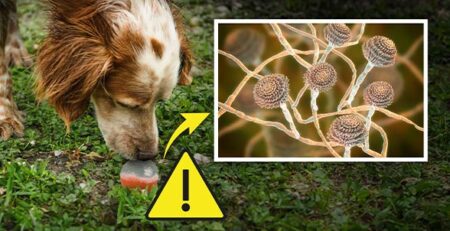
Acute renal failure (IRA) often occurs as a result of events such as poisoning by toxic substances (e.g., antifreeze, some drugs, and toxic foods such as grapes and chocolate), infection, trauma, or severe dehydration.
In these cases, rapid identification and treatment of the underlying cause are critical to improving the animal’s prognosis.
On the other hand, chronic renal failure (CRI) is a progressive condition that mainly affects older animals.
Causes include congenital diseases, inflammatory diseases as well as systemic diseases such as diabetes mellitus and hypertension.
In older cats and dogs, advanced age is a significant risk factor, as kidney tissue tends to degenerate over time.
How renal failure manifests in the dog and cat
Symptoms of renal failure can vary depending on the severity of the condition and how quickly it progresses.
In cases of acute renal failure, clinical signs may appear rapidly and include:
- Increased thirst and urination (polyuria and polydipsia): the animal may drink more water than usual and urinate frequently.
- Loss of appetite: the dog may show disinterest in food.
- Vomiting: may occur due to the accumulation of toxins in the blood.
- Lethargy: the dog may appear less active and more tired.
- Bad breath (uremia): an unpleasant odor can be a sign of accumulated toxins.
- Diarrhea: may sometimes accompany other symptoms.
In advanced stages, cats and dogs may exhibit neurological signs indicative of a severe altered metabolic status.
In chronic renal failure, symptoms develop more slowly and may include:
- Weight loss
- Decreased physical activity
- Polyuria and polydipsia
- Opaque hair
The diagnosis of renal failure
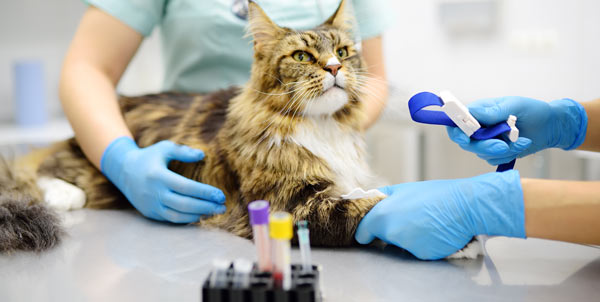
To diagnose renal failure, the Veterinarian typically begins with a blood test, which is useful in assessing creatinine and azotemia levels.
Blood tests of a cat or dog with kidney problems are essential to monitor kidney function and can reveal signs of kidney failure before obvious symptoms appear.
Urinalysis is equally important, as it can provide information on urinary concentration and the presence of protein, which are key indicators of renal health.
Dog and cat kidneys: what therapy in case of insufficiency
The management of kidney problems in dogs and cats varies greatly depending on the etiology and severity of the condition.
In the case of acute renal failure, it should target the underlying cause and may include measures such as administration of intravenous fluids, drugs to control blood pressure and gastric acidity, and antidotes to treat poisoning.
In chronic renal failure, renal function cannot be restored, but measures can be implemented to manage symptoms and improve the animal’s quality of life and avoid renal failure.
Treatment options include special diets, medications, and fluid therapy to manage dehydration.
How to do prevention
Prevention of kidney failure in dogs and cats is critical and can be pursued through a variety of appropriate measures.
First, it is essential to ensure adequate hydration, as dehydration can exacerbate kidney damage.
It is important to always offer fresh, clean water and encourage the animal to drink.
In addition, regular veterinary checkups are crucial, especially for animals that are elderly or predisposed to kidney disease.
These checks should include blood and urine tests to monitor renal function and detect any abnormalities early.
It is critical to educate about the dangers of toxic substances and chemicals commonly found in the home that can damage the kidneys.
Avoiding exposure to non-prescribed drugs and taking measures to prevent accidental poisoning can significantly reduce the risk of developing kidney failure.
Finally, maintaining a balanced diet tailored to the specific needs of the animal is essential.
Feeding animals high-quality foods designed to support kidney health can help protect the function of these vital organs.
Early diagnosis and timely intervention can make a significant difference in the prognosis and well-being of dogs and cats.
To have your dog or cat checked and for periodic check-ups, contact the veterinary doctors on our staff who are always available to you.
We would also like to remind you that Clinica La Veterinaria is always open h24 every day including holidays and with First Aid service from 8 pm to 8 am.