Dog intestinal worms: symptoms, diagnosis and prevention
Intestinal worms are a common and significant health problem in dogs.
These parasites can cause a range of disorders and complications, especially in younger animals or those with compromised immune systems.
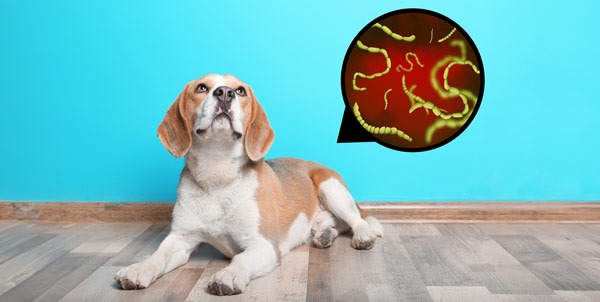
The two main groups of parasites that infest the intestines of dogs are the nematodes, commonly known as roundworms, and the cestodes, or flatworms.
Common types of intestinal worms in dogs
The two main groups of parasites that infest the intestines of dogs are the nematodes, commonly known as roundworms, and the cestodes, or flatworms.
They are nematodes:
– Ascarids(Toxocara canis and Toxocara cati): these are long, ribbon-shaped worms that can reach up to 15-30 centimeters. They can cause symptoms such as vomiting, diarrhea and weight loss. Ascarids are found in the small intestine and can be transmitted through contact with infected feces or through the mother during pregnancy.
– Hookworms(Ancylostoma caninum and Uncinaria stenocephala): these worms can cause significant anemia in hosts, leading to weakness and lethargy. They attach to the intestinal mucosa and feed on blood. They can be contracted through direct contact with infected soil or through the skin.
-Strongyloides (Strongyloides stercoralis): these parasites can cause diarrhea and other gastrointestinal disorders. They are known for their ability to penetrate the skin, making their transmission possible even in the absence of direct ingestion.
They are cestodes:
– Tapeworms(Dipylidium caninum): are flatworms visible externally as rice grain-like segments in the feces of animals. These parasites can cause anal itching and irritation, and transmission occurs mainly through ingestion of infected fleas.
What symptoms to observe in the adult and puppy
Symptoms can vary depending on the type of worm and the intensity of the infestation, but the most common include:
-Diarrhea: may be intermittent or persistent and, in some cases, may contain mucus or blood
– Vomiting: infested animals may vomit, sometimes expelling visible worms
– Weight loss: despite a normal or increased appetite, animals may lose weight due to nutritional competition with worms
– Bloated abdomen: a bloated belly may be a sign of a severe infestation, especially in puppies
– Lethargy: affected animals may appear less active and more listless
Diagnosis in cases of suspected intestinal worm infestation
One of the most common procedures to diagnose the presence of intestinal worms is stool analysis.
Your Veterinarian will request a stool sample that will be examined under a microscope for worm eggs or parasite segments.
This test is essential to identify the specific type of worm and to plan appropriate treatment and avert the risk of serious complications.
The complications and risks associated with intestinal worms in dogs
Intestinal worms can cause serious complications:
- Anemia: hookworms, in particular, can cause significant blood loss, leading to an anemic condition that can make the animal weak and lethargic.
- Chronic diarrhea: Some worms can cause persistent diarrhea, which can lead to dehydration and malnutrition if left untreated.
- Bowel obstruction: Severe infestations can cause obstruction in the intestines, requiring surgery to resolve.
These complications highlight the importance of early diagnosis, timely treatment, and preventive practices to avoid infestations, as untreated infestations can lead to serious health risks for animals.
Prevention
To avoid intestinal worm infestation, there are some good preventive practices to follow.
Before introducing a new animal into your home, it is important to make sure that it has undergone veterinary checkups and anti-parasite treatments.
Keep your home environment and garden clean by promptly removing animal feces.
Also, avoid feeding your dog animal carcasses or contaminated food to reduce the risk of exposure to eggs and larvae
Use flea and pest control products year-round to prevent infestation by tapeworms and other parasite-borne diseases.
To have your dog or cat checked for feces, contact the veterinary doctors on our staff who are always available to you.
We would also like to remind you that Clinica La Veterinaria is always open h24 every day including holidays and with First Aid service from 8 pm to 8 am.