Tetanus in dogs and cats: the bacterium in contaminated soils
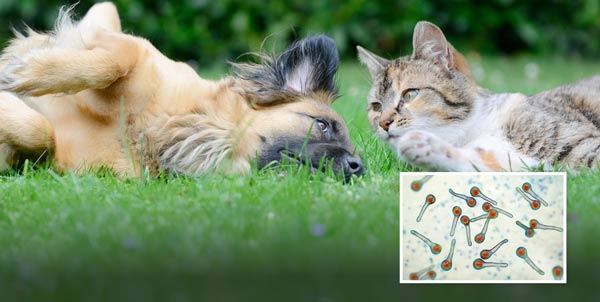
Tetanus, an infectious disease caused by the bacterium Clostridium tetani, is mainly known for its severity in humans, but it can also affect dogs and cats.
In most cases, infection occurs when the bacteria enters the body through a wound, such as a cut, bite from another animal, or blunt force injury.
How tetanus infection occurs in dogs and cats
Tetanus infection does not occur from animal to animal; rather, animals can become infected through indirect contacts with soil contaminated with Clostridium tetani spores.
These spores can persist for years in the soil and can enter the animal’s body through open wounds.
It is important to note that tetanus is not transmissible between animals and cannot be contracted from an animal to a person.
Clostridium tetani bacteria release a potent neurotoxin
The incubation period can vary from about 5 days to three weeks after penetration of the spores into the wound: it varies depending on the proximity of the wound to the central nervous system.
Generally, the stiffness develops near the wound and spreads thereafter.
There are two forms of tetanus: localized and generalized.
The localized form is characterized by extensor stiffness of only one limb or both hind or fore limbs.
Instead, the generalized form is characterized by stiffness involving all four limbs.
The symptomatology of tetanus in the dog and cat
The most common clinical signs include:
-Musclestiffness: animals may show signs of stiffness, particularly in the facial muscles, causing a jaw clench called “trismus.”
-Body posture: may assume abnormal postures, such as lifting the back and maintaining a rigid posture.
-Breathing difficulties: paralysis of respiratory muscles can lead to labored breathing or difficulty in breathing.
-Sensitivityto light: affected animals may show an exaggerated reaction to sounds or light, a sign of neurological irritation
It is essential to monitor your animals closely and consult your veterinarian if these symptoms appear.
The treatment: the tetanus antitoxin
Tetanus antitoxin is a key component in the treatment of tetanus.
It provides immediate protection by neutralizing the toxin already present in the animal’s body.
It is important to administer it as soon as possible after diagnosis.
Supportive therapies are essential to manage tetanus symptoms.
These may include respiratory monitoring, fluid administration and medication use.
Prognosis
The prognosis for tetanus in animals varies depending on several factors, including the timeliness of veterinary intervention and the severity of symptoms.
If diagnosed early and with proper treatment, many animals can recover, although the healing process can take weeks or months.
However, if symptoms are severe, particularly those related to breathing, the prognosis may be poor, and mortality rates may be high.
Prevention remains essential to prevent the onset of the disease.
Precautions against tetanus in dogs and cats
There are several preventive measures that can be taken to reduce the risk of tetanus.
Although there is no specific tetanus vaccine for dogs and cats, vaccination against other infectious diseases can help keep animals healthy.
Maintaining a safe home environment reduces the risk of injury: for example, avoid sharp or dangerous objects in the garden and house.
When your dog or cat suffers a wound, clean it and apply disinfectant to prevent infection.
Monitor the wound for signs of infection, such as redness, swelling or discharge, and if the case calls for it, contact your Veterinarian for further guidance.
It is important to examine animals regularly for any wounds or abrasions and treat them promptly to prevent infection.
For advice and consultations, to have your dog or cat checked and for periodic check-ups, contact the Veterinary Doctors on our staff who are always available to you.
We would also like to remind you that Clinica La Veterinaria is always open h24 every day including holidays and with First Aid service from 8 pm to 8 am.