Blood in cat stool: what are the causes and what to do
The presence of blood in the feces of a kitten or adult cat is always a symptom of great concern.
Based on the appearance of the stool and the color of the blood, the origin of the bleeding and its severity can be hypothesized
Stool appearance and blood color
The presence of bright red blood in the stool, indicative of bleeding from the colon, rectum, or anus, is called Hematochezia.
Dark-colored or tarry stools(melena) indicate that blood has been digested and therefore the bleeding point is higher up in the gastrointestinal tract (stomach, small intestine).
Bloody diarrhea may present as liquid stools mixed with mucus and blood: it is a sign that the intestine (or part of it) is actively irritated or damaged.
Causes of blood in cat stool
There are many causes that can lead to the presence of blood in a cat’s stool:
- Intestinal parasites
- Bacterial or viral infections
- Inflammatory bowel disease
- Ulcers or tumors of the gastrointestinal tract
- Systemic alterations (coagulopathies, liver disease, toxin ingestion)
- Trauma, foreign bodies, sudden dietary changes
What to do if there is blood in the cat’s stool
If you find blood in your cat’s feces, it is critical to closely monitor your kitty’s behavior.
Watch for changes in his eating habits, stool frequency, and if he has other symptoms, such as vomiting or lethargy.
Collect a blood stool sample to show to your trusted Veterinarian.
A thorough evaluation is necessary to identify the underlying cause and plan appropriate treatment.
When to worry
Although these may be mild and transient events, there are cases when the presence of blood in the stool requires an urgent veterinary visit:
- If blood is present in large amounts or if the stool is completely red
- If the cat has diarrhea accompanied by blood
- If the cat appears unusually tired, disinterested, or shows signs of pain
The presence of vomiting, particularly when accompanied by blood, is an emergency requiring immediate action.
Older cats or those with a known medical history of gastrointestinal disease should be monitored with special care.
Diagnosis
Stool analysis is essential to identify the presence of parasites or pathogenic bacteria.
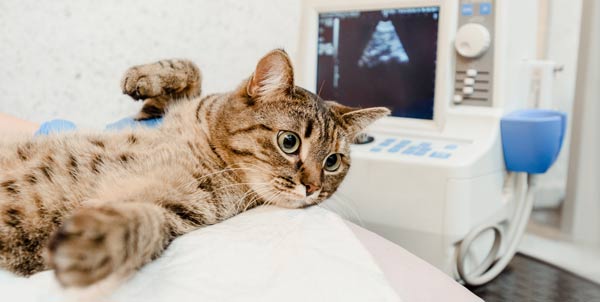
Veterinary tests for blood in the stool also include blood tests and, in some cases, X-rays or ultrasound.
Endoscopy is also a useful procedure to diagnose the causes of intestinal bleeding.
These tests help determine whether the bleeding is caused by parasites, infection, inflammation, or other gastrointestinal conditions.
Treatment depends on the underlying cause
Should the presence of parasites, the Veterinarian will indicate the appropriate antiparasitic therapythat will rapidly eliminate the infestation and reduce associated symptoms.
For gastrointestinal disorders, such as colitis or gastritis, usually, specific diets, anti-inflammatory drugs and probiotics are used to restore intestinal flora.
Viral and bacterial infections, such as feline panleukopenia often require with supportive therapies, fluids to prevent dehydration, and antiviral drugs or antibiotics.
Inflammatory bowel diseases (IBD) are a category of chronic conditions that cause persistent inflammation in the intestinal tract.
Management of these diseases often involves a strict dietary approach, nutritional supplements, and medications to control inflammation.
To have a fecal checkup and have your cat examined, contact the veterinary doctors on our staff who are always available to you.
We would also like to remind you that Clinica La Veterinaria is always open h24 every day including holidays and with First Aid service from 8 pm to 8 am.