Hiccups in the dog: what is it due to
Hiccups are a physiological phenomenon characterized by involuntary, repetitive contractions of the diaphragm, followed by rapid closure of the vocal cords.
This process produces the typical “hic” sound associated with hiccups.
Although commonly associated with humans, animals, including dogs, can also experience this reflex.
In general, hiccups are a harmless and temporary reaction, but it is helpful to understand the causes and remedies, especially when observed in our four-legged friend.
Where the dog’s hiccups come from
In evolutionary terms, hiccups in animals are considered an ancestral remnant.
Researchers suggest that hiccups, found in many species, may have common origins related to breathing and regulation of internal organs.
In fact, in puppies, hiccups are often more common and may result from their physiological immaturity.
As time goes by and as people grow, the frequency and intensity of hiccups tend to decrease.
In addition, it is believed that hiccups may play a role in stimulating digestion, helping animals maintain intestinal function.
How come the dog has hiccups
The causes of hiccups in dogs can be many.
One of the most common reasons israpid ingestion of food or water.
When a dog eats too fast, he may swallow air along with the food, causing irritation to the diaphragm and, as a result, hiccups.
Excitement or stress can also trigger this reflex; dogs, especially those experiencing anxiety situations, may exhibit hiccups as a response to external stimuli.
Additional factors may include sudden changes in environmental temperature, allergies or even gastrointestinal problems.
It is important to look at the context in which the hiccups occur to identify the cause.
How long does the dog hiccups last
The duration of hiccups in a dog varies greatly depending on the cause.
Generally, hiccups of physiological origin, such as those triggered by food ingestion or frenzy, tend to resolve quickly, within a few minutes.
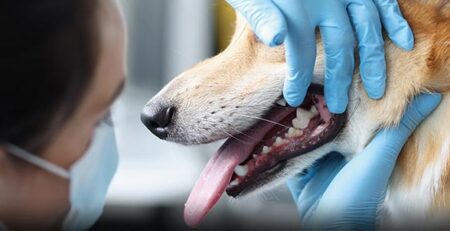
However, if the hiccups persist for a prolonged period-more than thirty minutes-it is advisable to consult your trusted veterinarian.
Sustained hiccups could be a symptom of more serious disorders, such as gastrointestinal irritation or other health conditions that require attention.
How to get your dog to stop hiccups
There are several methods to try to relieve hiccups in dogs.
One of the most effective is to slow down the pace at which the dog eats.
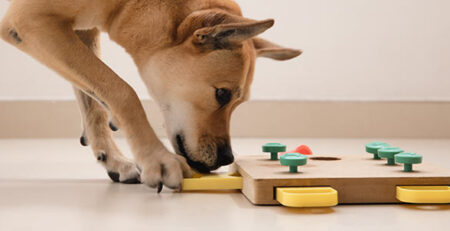
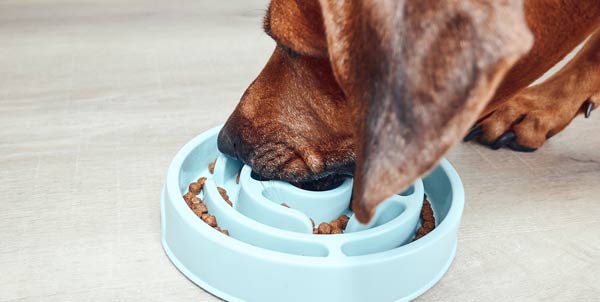
Using bowls designed for slow-release foods, or trying your hand at fractional portions, can reduce the risk of hiccups.
In addition, it is advisable to offer small amounts of room temperature water, which can help relieve diaphragm contractions.
Another common method involves trying to distract the animal.
Playing with the dog, taking him for a walk or involving him in playful activities can help reduce anxiety and tension, thus relieving hiccups.
Finally, some relaxation techniques such as gentle massage of the abdomen can, in some cases, be helpful.
What to do when the dog has hiccups
If the hiccups are episodic and of short duration, it is usually sufficient to wait for them to pass on their own.
However, if the hiccups are accompanied by other symptoms, such as vomiting, diarrhea, lethargy or difficulty breathing, it is critical to contact a veterinarian immediately.
The puppy with hiccups
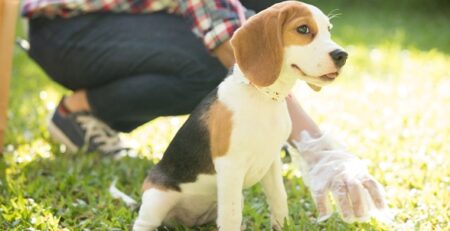
In puppies, hiccups are quite common and rarely pose a threat to their health.
In many cases, it is only a transient phase that resolves as the digestive and respiratory systems grow and develop.
However, if a puppy has frequent or prolonged hiccups, any other symptoms should be closely monitored.
To refer your dog for a checkup, contact the veterinary doctors on our staff who are always available to you.
We would also like to remind you that Clinica La Veterinaria is always open h24 every day including holidays and with First Aid service from 8 pm to 8 am.