Table of Contents
Cystitis in dogs: what it is due to, symptoms and treatment
Cystitis in dogs is an inflammation of the bladder that can be caused by several factors.
Major causes include bacterial infections, urinary stones, trauma, tendencies to hold urine too long, and systemic diseases such as diabetes.
Canine cystitis is more common in the female dog due to anatomical factors such as a shorter urethra close to the anus.
Cystitis in dogs: bacterial infections.
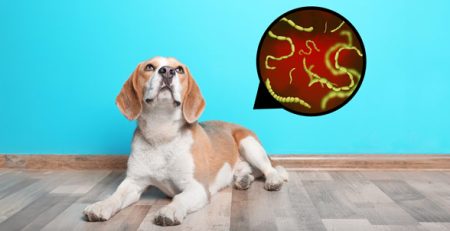
Urinary tract infections are among the most common causes of cystitis, with Escherichia coli bacteria frequently involved.
Other microorganisms, such as staphylococci and streptococci, can also contribute to the onset of infection.
Non-infectious factors
Urinary stones, for example, can irritate the bladder mucosa, causing inflammation.
Chemicals in some kibble or in the dog’s diet, as well as any food allergies, can also trigger inflammatory reactions.
In addition, genetic predisposition and the dog’s breed may play a role in the incidence of cystitis.
Some breeds, such as female Cocker Spaniels and Yorkshire Terriers, seem to be more susceptible to developing urinary tract infections.
What are the symptoms of urinary tract infections in dogs
Symptoms of urinary tract infections in dogs can vary depending on the severity of the infection and the animal’s overall health.
However, some typical signs include:
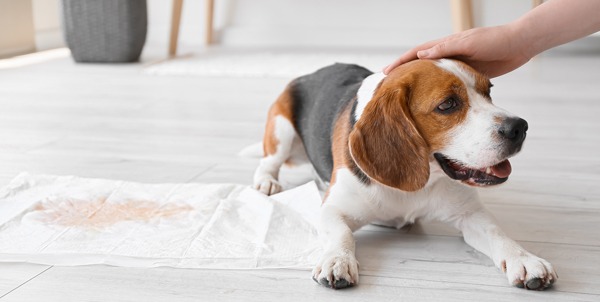
Frequent urination: The dog may attempt to urinate frequently, producing small amounts of urine.
Difficulty urinating: may show obvious efforts to urinate, complaining or crying during the process.
Unpleasant urine odor: The urine of a dog with cystitis may have a particularly pungent odor.
Excessive licking of the genital area.: The dog may lick the genital area due to discomfort.
Fatigue or loss of appetite.: In some cases, infection can lead to a general reduction in energy and appetite.
Vomiting or diarrhea: these symptoms may occur if the infection is accompanied by other medical conditions or if a systemic reaction occurs.
Presence of blood in the urine: known as hematuria, is an alarming sign that requires immediate veterinary attention.
What is blood in dog’s urine
In addition to cystitis, hematuria can be caused by urinary tract infections that can damage the walls of the bladder and urethra, leading to bleeding.
Calculi can also scratch the lining of the urinary tract, causing bleeding.
And again, any injury or trauma to the abdominal area can cause internal bleeding.
Understanding whether a dog has cystitis: clinical examinations
To understand whether a dog has cystitis, it is essential to observe symptoms and monitor any changes in urinary behavior and habits.
A visit to your Veterinarian remains essential for a correct diagnosis.
During the clinical examination, the veterinarian will gather detailed information about the symptoms and perform the necessary tests.
Urinalysis is critical in diagnosis to detect the presence of blood, bacteria, and crystals.
In some cases, an ultrasound or X-ray may also need to be performed to identify any stones or structural abnormalities in the urinary tract.
How to treat a dog urinary tract infection
Treatment for a urinary tract infection in dogs depends on the underlying cause and the severity of the infection.
If the infection is bacterial in origin, the Veterinarian will prescribe a course of antibiotics to eliminate the pathogenic bacteria.
Your veterinarian may recommend a specific diet to prevent urinary stone formation and improve urinary tract health.
Beware of relapse: relapse and reinfection
The main difference is the time between the end of therapy and the onset of symptoms and the bacteria responsible.
Relapse occurs when the infection returns with the same pathogen within two weeks of the end of treatment.
Reinfection, on the other hand, is the occurrence of an infection with a different pathogen more than two weeks after treatment.
In individuals with urinary tract reinfection, an antibiogram should be performed for all bacterial strains isolated and conditions such as urolithiasis, neoplasms, structural abnormalities, or upper urinary tract involvement should be excluded.
Prevention: proper hydration and routine veterinary checks
Hydration is critical to a dog’s urinary health: water intake helps dilute urine and promotes more frequent urination, which is useful for flushing the bladder.
One method of encouraging the dog to drink frequently is to offer low-sodium chicken broth to stimulate fluid intake.
A balanced diet plays a crucial role in the health of your dog’s urinary tract.
Always choose high-quality foods and consult your veterinarian for any specific diets that may reduce the risk of urinary stones, and always plan for routine checkups.
If you suspect your dog is suffering from cystitis, request a consultation with the veterinary doctors on our staff who are always available to you.
We would also like to remind you that Clinica La Veterinaria is always open h24 every day including holidays and with First Aid service from 8 pm to 8 am.