Vegetables to dogs and cats: which ones to choose, which ones to avoid, and recommended amounts
Vegetables are a great addition to dogs’ and cats’ diets but should be introduced judiciously and in the right amounts.
In addition, it is crucial to know which vegetables to give to dogs and cats and which to avoid at all, as some can be toxic or cause digestive problems.
Vegetables for dogs and cats: recommended amounts
Vegetables should account for about 10-15% of the dog’s total daily caloric intake, always as a supplement to a balanced animal protein diet.
For cats, which are obligate carnivores, the dose administered should not exceed 5%.
Fruit can also be added into dogs’ diets by supplementing them or replacing commercial snacks.
What vegetables dogs and cats can eat
When choosing vegetables to give to our four-legged friends, preference should always be given to those in season.
“Summer” vegetables with their high content of water, minerals and vitamins are particularly good for keeping the body hydrated.
Among the vegetables that dogs and cats can eat this season:
- Zucchini and green beans: offer digestible fiber, antioxidants and low calorie intake, useful for weight control and intestinal regularity. They are ideal for older dogs, or dogs with digestive problems and puppies.
- Carrots: they makethe perfect snack. Rich in beta-carotene, with their crunchy texture they help naturally clean the dog’s teeth, removing plaque and tartar while chewing.
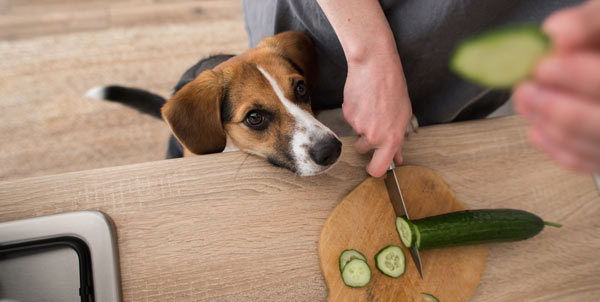
- cucumbers: extremely low in calories, fat and carbohydrates, they are ideal for dogs that need to lose weight or maintain their figure.
- Broccoli: is very rich in vitamin C, vitamin K, folic acid and antioxidants that fight free radicals and support the immune system. If consumed in excess they could cause intestinal irritation therefore, they should be given in moderation and always steamed.
- Celery: rich in vitamins A, B, C and sodium and potassium, like carrots, it is a natural “toothbrush”
- fennel: rich in vitamin C, potassium and fiber that support the immune system and cardiovascular health. It also aids the dog’s digestion and gently scents the breath due to its essential oils.
Vegetables banned for dogs and cats
Some vegetables are toxic or harmful to dogs and cats, possibly causing gastrointestinal, kidney or anemia problems:
- Allium family (onion, garlic, leek, shallot): extremely toxic, containing compounds that can destroy red blood cells, causing hemolytic anemia.
- Raw, green potatoes: contain solanine, a toxic substance that can cause gastrointestinal and neurological problems.
- Unripe tomatoes and green parts of the plant: contain tomatine and solanine, which are harmful to the kidneys and digestive system.
- Raw eggplant: can cause inflammation or allergic reactions due to high solanine content.
- avocado: contains persin, a toxin that can cause vomiting, diarrhea and breathing difficulties.
- Rhubarb: contains oxalates, which are dangerous to kidney function.
- wild mushrooms: many species are toxic and can cause severe poisoning, liver and kidney damage.
- Cabbage and Brussels sprouts: can cause severe flatulence, bloating and gastrointestinal upset.
How to make your dog or cat eat vegetables
Some dogs, not to mention cats, are often reluctant to take vegetables.
In these cases, patience and a few tricks are needed.
The best technique is to cook the vegetables, blend them and mix them directly with the usual meat or gruel.
A common mistake is to introduce too many vegetables at once.
Always start with minimal doses and carefully observe the animal for 24 to 48 hours to make sure no adverse reactions occur.
If you notice reactions such as itching, vomiting, or diarrhea after introducing new vegetables, stop intake immediately and contact your Veterinarian for a consultation.
Vegetables can also be offered to puppies but in really small amounts and chopped, and not before 3 months of age.
It is always advisable to follow certain guidelines for dog and cat nutrition, which include supplementing fresh vegetables and nutrients.
Consult a Veterinary Nutritionist for a personalized food plan that takes into account your dog or cat’s specific needs, such as age, breed, and health status.
If you would like a personalized nutrition plan for your dog or cat, contact us to request a consultation with our staff veterinarians who are experts in nutrition and are always available to you.
We would also like to remind you that Clinica La Veterinaria is always open h24 every day including holidays and with First Aid service from 8 pm to 8 am.