Incontinence in Dogs and Cats: Symptoms, Types, Diagnosis, Treatment
Urinary incontinence in dogs and cats is a relatively common clinical problem, particularly in older animals or those with specific medical conditions.
It is a complex, multifactorial condition that requires a thorough diagnostic approach and personalized treatment.
What Is Urinary Incontinence?
Urinary incontinence refers to the loss of voluntary control over urination, resulting in the involuntary release of urine.
This condition can manifest continuously, intermittently, or episodically and may be linked to numerous causes, ranging from anatomical abnormalities to neurological or metabolic disorders.
In dogs, incontinence is generally more common than in cats, although both species can be affected by it.
Symptoms of Urinary Incontinence in Dogs and Cats
The most obvious clinical sign is the involuntary leakage of urine, which can occur while sleeping, resting, or during physical activity, on the dog’s bed or on the floor.
In addition, other associated symptoms may include skin irritation in the perineal region, increased thirst, frequent urination, and excessive licking of the genitals.
In cats, lower urinary tract disorders can also manifest as difficulty or pain during urination, blood in the urine, increased urination, and behavioral changes, such as urinating outside the litter box.
Obviously, these clinical signs require a veterinary evaluation.
Types of Incontinence in Dogs and Cats
Urinary incontinence can be classified into several categories, based on the underlying cause and the pathophysiological mechanism involved:
– Incontinence due to urethral sphincter insufficiency
It is one of the most common forms in dogs, especially in female dogs that have been spayed before puberty. It is caused by reduced tone in the urethral sphincter, which is unable to adequately retain urine in the bladder.
– Neurological incontinence
It results from damage to the central or peripheral nervous system, such as spinal cord injuries, neurological degenerative conditions, or congenital malformations. In these cases, communication between the brain and the bladder is impaired, resulting in a loss of bladder control.
– Anatomical or congenital incontinence
Some animals have anatomical abnormalities of the urinary tract, such as ectopic ureters (a ureter that does not enter the bladder at its normal anatomical location and may instead open at an abnormal site) or bladder malformations, which can cause incontinence from a young age.
– Incontinence secondary to systemic diseases
Endocrine or metabolic disorders, such as diabetes mellitus, Cushing’s syndrome or kidney failure, can lead to increased urine production and a reduced ability to control urination.
Urinary tract infections, bladder stones, or tumors can also cause this condition.
Diagnosing Incontinence in Dogs and Cats
The diagnosis of urinary incontinence requires a structured, multidisciplinary clinical approach.
The veterinarian begins by taking a detailed medical history, gathering information on the pet’s age, sex, spay/neuter status, frequency of symptoms, and overall health.
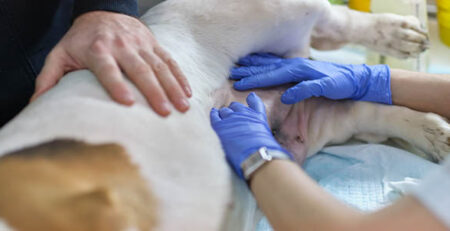
This is followed by a comprehensive clinical examination to assess the condition of the urinary and neurological systems.
Laboratory tests, such as urinalysis, blood tests, and bacterial cultures, are essential for identifying infections, metabolic abnormalities, or systemic diseases.
Imaging techniques, including X-rays and ultrasound, allow for the visualization of the bladder, urethra, and kidneys, enabling the detection of stones, tumors, or anatomical abnormalities.
In complex cases, computed tomography or magnetic resonance imaging may also be used.
Differential diagnosis is essential, as incontinence can be mistaken for behavioral disorders, such as territorial marking or inappropriate urination caused by stress or anxiety.
Treatment of Incontinence in Dogs and Cats
Treatment depends entirely on the underlying cause and may include medication, surgery, or supportive care.
Congenital anatomical abnormalities, such as ectopic ureters, and the presence of stones or tumors may require surgery.
In these cases, surgery is often the only definitive solution.
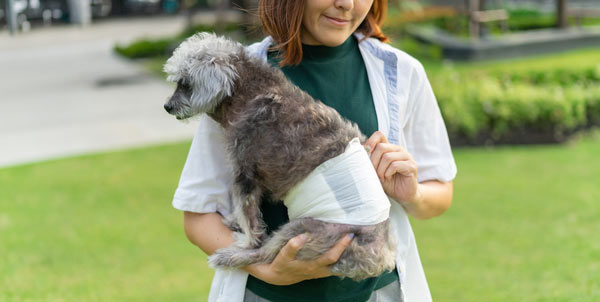
In addition to medical treatments, when caring for an incontinent cat or dog, it is important to implement daily management strategies, such as using absorbent pads, pet diapers, and maintaining proper skin hygiene to prevent dermatitis and secondary infections.
Prevention of Urinary Incontinence in Dogs and Cats
The prevention of urinary incontinence is based on a comprehensive approach to the animal’s health.
A balanced diet, adequate water intake, and regular veterinary checkups help reduce the risk of urinary tract diseases.
It is essential to monitor body weight, as obesity is a risk factor for numerous diseases, including those of the urinary tract.
In cats, managing environmental stress and ensuring constant access to clean, well-placed litter boxes are important preventive measures for reducing the incidence of lower urinary tract disorders.
Early recognition of symptoms and consulting a veterinarian are essential for improving the animal’s prognosis and quality of life.
If your dog or cat is experiencing incontinence, contact our veterinarians to schedule a comprehensive checkup: our staff is always here to help.
We would also like to remind you that Clinica La Veterinaria is always open h24 every day including holidays and with First Aid service from 8 pm to 8 am.