Allergic flea dermatitis in dogs and cats: DAP is a serious and severe infection
Allergic flea dermatitis(APD) is an inflammatory skin condition that affects dogs and cats, and is caused by the allergic reaction to chemicals in flea saliva.
This reaction occurs when the animal is bitten by a flea and its immune system responds by producing antibodies.
DAP can occur at any time of the year, although it is more common in the summer months when fleas are most active.
Symptoms of a flea infection
The symptoms of a flea infection can vary depending on the severity of the infestation and the sensitivity of the animal.
The most common signs include:
Itching and scratching: Flea-infected animals tend to constantly scratch or bite their fur to relieve itching, which is often intense.
Hair loss: chewing and scratching can lead to scattered patches of hair or general thinning of the coat.
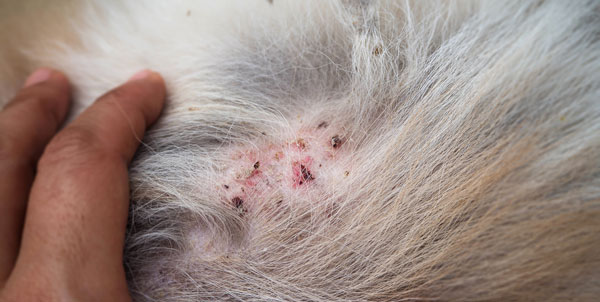
Skin redness: irritation from scratching and flea bites can cause redness and inflammation, with possible skin lesions that can ulcerate if left untreated.
Secondary dermatitis: skin lesions can become infected from excessive scratching and biting, leading to bacterial or fungal infections that further aggravate the animal’s condition.
Black spots or scales: presence of flea droppings, which appear as small black spots in the animal’s coat.
Where fleas lurk on the dog and cat
Fleas tend to nest in specific areas on the body of the dog and cat:
– Neck and area behind the ears: this region is often neglected during grooming, making it an ideal haven for fleas.
– In the back and between the legs: fleas like to hide near the base of the tail and between the hind legs where they can feed easily.
– Abdomen and chest: these areas are warm and protected, proving attractive to fleas.
– Leg hair: Fleas can also be found inside the long, thick hair, where they are more difficult to notice.
What flea bites look like
Flea bites present as small red papules or dots on the epidermis itchy dots on the epidermis, often arranged in groups or lines.
The skin reaction causes swelling and inflammation, creating a truly harassing discomfort for the animal.
The stings can become erythematous and even ulcerated from scratching.
Diseases transmitted by fleas to dogs and cats
Fleas not only cause skin discomfort and irritation, but can also carry a variety of diseases:
– Dirofilaria immitis(heartworm filariasis): a serious parasitic disease transmitted by infected flea bites. It affects the hearts of dogs and can be fatal if left untreated.
– Bartonella infection: fleas can transmit Bartonella henselae, a bacterium that causes fever in dogs and could lead to more serious consequences.
– Echinococcosis: Fleas can harbor larvae of Echinococcus, a parasite that can infect other animals and even humans.
– Anemia: Severe flea infestation can cause anemia in dogs and cats, especially in puppies, due to blood loss from bites.
Diagnosis of DAP
It is important to consider other skin conditions that can mimic the symptoms of allergic flea dermatitis, such as atopic dermatitis, food allergies, or skin infections.
Your Veterinarian will use specific tests to rule out these diseases and arrive at an accurate diagnosis.
Clinical examinations may include a blood test to assess for allergies and a microscopic examination of the skin to identify any secondary infections or parasites.
Treatment of allergic flea dermatitis
Treatment of allergic flea dermatitis requires a multifactorial approach.
To relieve itching and inflammation, there are medicated shampoos, ointments or corticosteroids.
These help to reduce inflammation and associated bothersome itching.
In some cases, the veterinarian may recommend a specific diet or supplements to strengthen the animal’s immune system and promote skin healing.
Prevention, hygiene and environmental control
To prevent allergic flea dermatitis, it is crucial to ALWAYS keep your dog or cat protected from fleas.
Use effective pesticide treatments regularly throughout the year and check your pet’s fur frequently for signs of fleas.
Equally important is to maintain good environmental hygiene to thwart flea infestations by using specific pest control products.
Allergic flea dermatitis is a serious condition, and identifying the symptoms early can really save your dog or cat’s life.
If you notice signs of discomfort in your dog or cat and manifest intense itching, redness and skin lesions, contact us for an appointment: the veterinary doctors on our staff are always available for you.
We would also like to remind you that Clinica La Veterinaria is always open h24 every day including holidays and with First Aid service from 8 pm to 8 am.