Female dog cycle: how long does heat last
Knowing the estrous cycle of the female dog is helpful in approaching this critical period for the four-legged with proper awareness.
Here comes the first heat
The first estrous cycle in a female dog may occur between 6 and 12 months of age.
Cycle repetition generally occurs every 6 months, but some large and giant breeds may have more widely spaced cycles, even up to 12 months.
The estrous cycle of female dogs lasts on average between 2 and 3 weeks, and is divided into four phases, each of which has a specific duration.
Stages of the estrous cycle in the female dog
- Proestro: This phase lasts about 9 days (but can vary from 3 to 17 days) and marks the beginning of the cycle.
During proestrus, the vulva becomes enlarged and there is an increase in vaginal discharge, obvious signs that the dog is entering her heat period.
Males may show interest, but the female is not yet ready to mate.
- Estro: The second phase lasts about 5-9 days and is the period when the female is fertile and accepts males.
Vaginal discharge becomes clearer and decreases, while attractiveness to males increases.
This is the time when mating is most likely to occur.
- Diestro: If the dog remains pregnant, this phase lasts about 63 days, which is the period of gestation.
In the absence of pregnancy, the reproductive cycle continues with a period of sexual rest, known as anestrous.
- Anestro: This stage represents the period of sexual inactivity that lasts several months, depending on the breed and age of the females.
During anestrous, there are no obvious signs of heat and the dog shows no interest in males.
Precautions and precautions during female dog heat
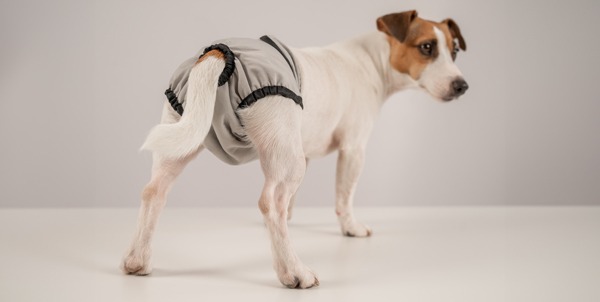
Managing a dog during the estrous cycle requires attention, especially to recognize the signs of the heat period and to avoid unwanted pregnancies
During proestrus and oestrus, it is best to avoid walks in crowded places or areas frequented by other dogs, especially males, as these can attract the attention of the female in heat and increase the risk of mating.
Pseudogestation in the dog or hysterical pregnancy
Pseudogestation, or false pregnancy, is a common condition that can occur after the estrous cycle.
In this situation, the dog shows symptoms of pregnancy even though she has not been fertilized.
Signs may include increased attachment to toys, changes in appetite and even milk production.
Although often requiring no treatment, it is important to monitor the situation and consult a veterinarian if symptoms persist or cause discomfort but most importantly, consider sterilization.
Sterilization of female dog
Sterilization is an important option to consider.
The risks of surgery in healthy individuals are really minimal, and in terms of prevention and protection of the dog, the benefits are maximal.
It is a surgical procedure that involves the removal of the ovaries and uterus and that:
– prevents unwanted pregnancies
– Reduces the likelihood of developing breast cancer
– prevents pyometra
Pyometra is a serious condition that affects unsterilized females
It is an infection of the uterus that can lead to life-threatening conditions if left untreated.
Symptoms may include:
- Purulent or bloody vaginal discharge
- Apathy
- Lack of appetite
- Increased need for water, followed by increased (in frequency and quantity) urination
In such cases, contact your trusted veterinarian immediately for an immediate consultation.
In this regard, we encourage you to contact the veterinary doctors on our staff who are always available to provide you with the advice and guidance you need to properly manage your dog.
What’s more, Clinica La Veterinaria is always open h24 every day including holidays and with First Aid service from 8 pm to 8 am.
For the joy of seeing them HAPPY