Table of Contents
Diarrhea in dogs and diarrhea in cats: when to seek immediate veterinary evaluation
Diarrhea in dogs and cats is one of the most common gastrointestinal disorders.
In most cases this is a temporary problem, but it can also be a sign of more serious conditions that require immediate veterinary evaluation.
Monitoring the appearance of feces is a simple but important tool for checking your pet’s health.
What is diarrhea and how does it manifest itself
Diarrhea is not a disease, but a symptom characterized by liquid, soft or more frequent than normal stools.
It can be:
- Acute, if it lasts less than 2-3 weeks
- Chronic, if it persists beyond 3 weeks
Chronic diarrhea often results from inflammation of the intestines and may require extensive examinations and targeted therapies.
What are the causes of liquid diarrhea in dogs and cats
The main causes of diarrhea in dogs and cats can be:
- food
- infectious (bacterial or viral)
- parasitic
Dietary errors underlying dog diarrhea
Mistakes in diet are one of the most common causes, especially in dogs:
- Allow him to eat the food from your table
- ingestion of bad food
- ingestion of inedible objects
In cats, which are more selective, even a simple change in feeding too quickly can cause diarrhea.
Some animals develop food intolerances to proteins or other dietary components. In these cases, diarrhea is often recurrent and may be associated with:
- itching
- vomiting
- slimming
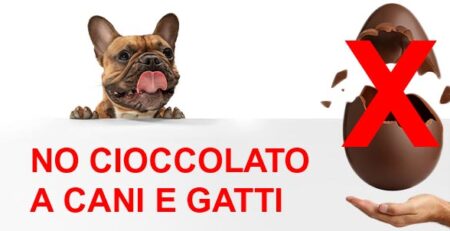
Ingesting toxic substances (plants, detergents, chocolate) can also severely irritate the intestines.
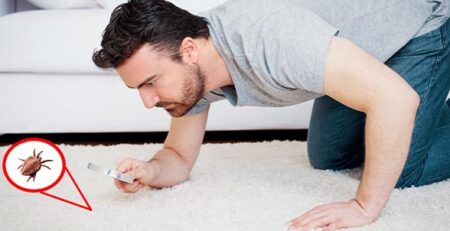
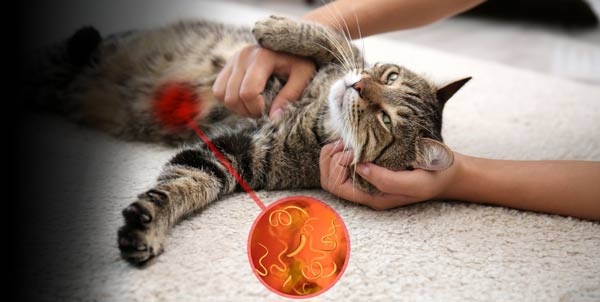
Intestinal parasites
The most common parasites responsible for diarrhea include:
- giardia
- roundworms
- hookworms
- whipworms
- tapeworm
- coccidia
Symptoms may include:
- Diarrhea and vomiting (sometimes with blood)
- bad breath
- swollen abdomen
- increased appetite with weight loss
- anemia
Bacterial infections
In dogs, bacterial gastroenteritis can be caused by Escherichia coli or Salmonella.
Transmission occurs through:
- contaminated water
- raw or undercooked meat or fish
- unpasteurized milk
- contaminated dairy products
Viral infections
Particularly dangerous in unvaccinated puppies: they are
- Parvovirus: causes hemorrhagic diarrhea, fever, vomiting and severe dehydration. It is potentially fatal.
- distemper: can begin with intestinal symptoms and then affect the respiratory and nervous systems.
In kittens, viruses such as panleukopenia and feline parvovirosis can cause severe diarrhea, with rapid deterioration of general condition.
In all these situations, veterinary examination is urgent.
Dog and cat diarrhea: when to worry
Diarrhea can become an emergency in several situations.
Do not wait for symptoms to improve on their own, as delaying treatment can lead to serious complications.
Consult your Veterinarian immediately if the diarrhea lasts longer than 24 hours and is accompanied by:
- repeated vomiting
- Lethargy or refusal of food
- blood in the stool
- black feces (melena)
- fever
Puppies, elderly and immunocompromised subjects require special attention.
Diagnosis: useful tests for cat and dog dysentery
To identify the cause of diarrhea, the veterinarian can perform:
- Stool examination (search for parasites, giardia, bacteria)
- Blood tests (infections, inflammation, organ checks)
- Abdominal ultrasound (evaluation of intestines and internal organs)
- X-rays (suspected obstruction or foreign bodies)
Remedies and treatment of diarrhea in dogs and cats
Treatment depends on the cause, but in general may include:
– Mild diet: indicated in mild cases, based on easily digestible foods to reduce intestinal irritation.
– Rehydration: essential to avoid dehydration, especially in puppies.
Intravenous or subcutaneous fluids may be needed in severe cases.
– Specific therapy: targeted antiparasitics, antibiotics, hypoallergenic diet, supportive therapies, and hospitalization in severe cases
What to do to prevent diarrhea in dogs and cats
To reduce the risk of diarrhea:
- maintain a balanced and consistent diet
- avoids too sudden changes in power supply
- administers pesticides regularly
- Do not leave access to toxic food or table scraps
- Prevents the dog from ingesting dangerous objects or substances
In the event of diarrhea, to have your dog or cat’s stool checked and undergo a checkup, contact the veterinary doctors on our staff who are always available to you.
We would also like to remind you that Clinica La Veterinaria is always open h24 every day including holidays and with First Aid service from 8 pm to 8 am.