Dog and cat IBD: an idiopathic disease
Under the term IBD(Inflammatory Bowel Disease) refers to chronic inflammation of the gastrointestinal tract in dogs and cats.
Immune system cells, such as T lymphocytes and macrophages, play a crucial role in intestinal inflammation.
Under normal conditions, these cells help defend the body against pathogens, but in the presence of IBD, their overactivation can lead to chronic inflammation.
The causes of IBD are not completely understood, so much so that it is referred to as the “idiopathic” nature of the disease, i.e., with no known cause.
Rather, it is now believed that a number of factors contribute to its origin.
Some of the main factors
Environmental factors, such as stress, exposure to toxins or allergens, may contribute to the pathogenesis of IBD.
It is important to monitor the pet’s environment, as changes in diet, home environment, or exposure to new pathogens can significantly affect gut health.
Diet quality and composition can also affect gut health and be a trigger for IBD.
There is evidence to suggest a genetic predisposition to IBD in some breeds of dogs and cats.
In dogs, breeds such as the Boxer, the French Bulldog, and the German Shepherd are frequently reported.
Among cats, the Siamese and the Maine Coon seem to be most predisposed.
What are the symptoms of suspected IBD
Symptoms of IBD can vary depending on the severity of the disease and the location of inflammation in the gastrointestinal tract.
The most common clinical signs include:
– Vomiting: recurrent episodes of vomiting, which may be intermittent or persistent
– Diarrhea: may present with soft or bloody stools, sometimes accompanied by mucus
– Weight loss: even with normal appetite, animals with IBD may lose weight due to inadequate nutrient absorption.
– Lethargy: affected animals may show reduced energy and activity.
– Bloated belly: accumulation of gas in the intestines may cause abdominal distension.
The diagnosis of IBD requires a systematic approach
Early diagnosis and a personalized treatment plan can make all the difference in controlling this complex condition.
Blood, stool, and urine tests can help rule out other diseases and assess the animal’s nutritional status.
An abdominal ultrasound is also useful to visualize the gastrointestinal tract and assess for abnormalities.
In many cases, definitive diagnosis requires performing endoscopy to obtain intestinal tissue samples, which will then be analyzed histologically to confirm chronic inflammation.
Therapy for the dog and cat with IBD
Treatment of IBD in dogs is generally multimodal and may include:
– An exclusion diet or hypoallergenic diet formulated to reduce intestinal inflammation and minimize adverse reactions to foods.
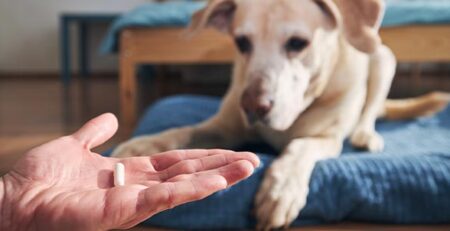
– medications In some cases, they may be necessary to control inflammation.
– Antibiotics may be useful to treat any secondary infections
– Probiotic supplementation can support gut flora and improve gastrointestinal health.
Complications associated with IBD can include secondary infections, intestinal obstructions, and in rare cases, an increased risk of intestinal neoplasia.
It is critical to closely monitor animals with IBD for early identification of any signs of health deterioration, such as persistent vomiting, bloody diarrhea, or significant weight loss.
To refer your dog or cat for a checkup, contact the veterinary doctors on our staff who are always available to you.
We would also like to remind you that Clinica La Veterinaria is always open h24 every day including holidays and with First Aid service from 8 pm to 8 am.