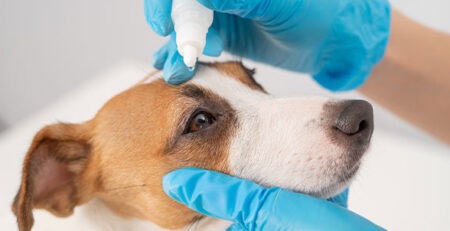
Otitis in the dog: symptoms, causes and treatments
Otitis in dogs is a serious condition with the possibility of relapse and complications if not treated properly.
Understanding the causes, symptoms, and breed predispositions is critical to the prevention and treatment of this disease.
Types of otitis in the dog
This inflammation of the ear can affect dogs of any age and breed.
It can be classified according to the part of the ear affected: otitis externa, otitis media, or otitis interna.
Symptoms of otitis in dogs can vary depending on the severity and location of inflammation.
Symptoms of otitis in the dog
Some of the most common signs include:
– Excessive scratching: affected dogs tend to frequently scratch the affected ear or shake their heads repeatedly.
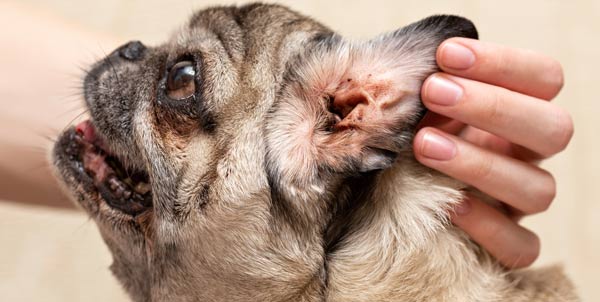
– Unpleasant odor: a foul-smelling discharge from the ear is often an indication of bacterial or fungal infection.
– Redness and swelling: the ear may appear red and swollen, clearly showing inflammation.
– Sensitivity to touch: the dog may be reluctant to have the affected ear touched and may react with pain if manipulated.
– Secretion: the presence of waxy, purulent or bloody discharge may occur in severe infections.
– Alterations in behavior: dogs with otitis may become irritable, show less activity or even lose their appetite.
The causes of otitis in the dog
The causes of otitis in dogs are many:
– Bacterial and fungal infections: those caused by Staphylococcus or Pseudomonas and to Malassezia species.
These infections can arise when the environment of the ear becomes conducive to the proliferation of pathogenic microorganisms.
– Allergies: food and environmental allergies are frequently responsible for chronic inflammation of the ear.
Allergic dogs suffer from itching and irritation, which can contribute to the development of otitis.
– Foreign bodies: the presence of foreign bodies in the ear, such as grass ears or debris, can cause irritation and inflammation, leading to acute otitis.
– Parasites: ticks and fleas, can cause an inflammatory response in the dog’s ear, leading to secondary infections.
Endocrine changes, such as hypothyroidism or Cushing’s syndrome, can also contribute to a compromised immune system, increasing the risk of ear infections.
In addition, prolonged exposure to water, especially in dogs that swim regularly or while bathing, can increase the likelihood of developing otitis, as excessive moisture creates an ideal environment for bacterial growth.
Race predispositions
Some dog breeds have anatomical structures of the ear predisposing to otitis.
Dangling ears, for example, promote the stagnation of moisture and dirt.
The most vulnerable breeds include:
-CockerSpaniel: This breed has long, hairy ears that prevent proper ventilation, making it more susceptible to infection.
-BassetHound: With their drooping ears and abundant skin, Basset Hounds find an ideal environment for bacteria and fungi to thrive.
–Golden Retriever: are prone to ear infections, partly due to their propensity for skin allergies.
–German Shepherd: Due to their body structure and possible genetic predispositions, this breed may suffer from ear problems.
-Bulldog: structural abnormalities associated with this breed contribute to a higher incidence of ear infections.
The diagnosis of otitis in the dog
Diagnosis of otitis in dogs begins with a careful examination of symptoms and a thorough clinical evaluation by the veterinarian.
Otoscopic examination is a fundamental procedure for the diagnosis of otitis.
Through an otoscope, the veterinarian can visualize the inside of the dog’s ear, identifying signs of inflammation, discharge or foreign bodies.
In some cases, the veterinarian may require laboratory tests, such as culturing secretions from the ear, to identify the presence of specific bacteria or fungi causing otitis.
If you suspect that your dog is suffering from otitis, contact our Staff Veterinary Doctors who are always available for an appointment.
We would also like to remind you that Clinica La Veterinaria is always open h24 every day including holidays and with First Aid service from 8 pm to 8 am.