The Caucasian Shepherd: the maned dog, imposing, majestic, proud and protective
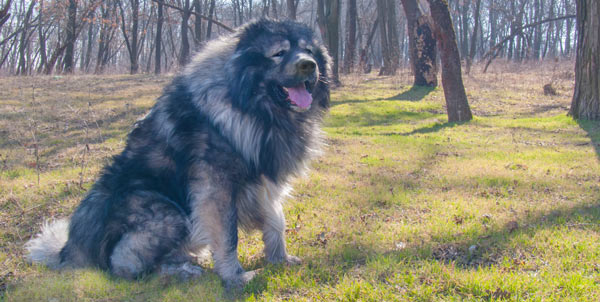
The Caucasian Shepherd (Kavkazkaia Ovcharka) is a dog known for its imposing appearance and majestic presence.
Apparently, the breed originated from the union of a Tibetan molossus with a herding dog from Asia.
The Caucasian Shepherd was used as a valuable helper to protect and look after the flock and the dwelling, as well as to drive away unwanted visitors.
Breed selection began in the area of the former Soviet Union, and the first official recognition occurred in 1952.
Only after 1970 did the Caucasian Shepherd spread to all parts of Europe, especially to Germany and the Netherlands.
Physical characteristics of the Caucasian Shepherd
With his massive body and proud posture, he perfectly embodies the characteristics of the “guardian.”
Protective and the strongly attached to his humans, he is a sentinel who defends his territory and his family with determination.
Caucasian Shepherds are large dogs, characterized by a muscular and robust build.
Males of this breed can reach a height at withers of 65-75 cm and weigh between 50 and 100 kg.
Females are slightly smaller, standing 60-70 cm tall and weighing between 40 and 70 kg.
This breed has a slow growth rate and reaches full physical development around 3-4 years of age.
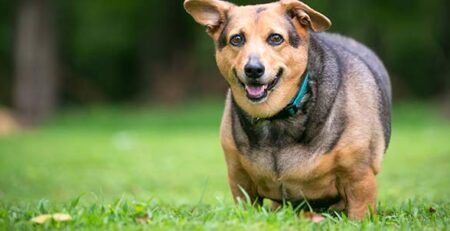
It is important to monitor your dog’s weight, as obesity can adversely affect his health.
Coat and colors of the Caucasian breed
The Caucasian Shepherd has a thick, bushy coat that protects it from the elements.
Hair varieties include short hair, long hair with mane and long hair without mane.
Coat colors can range from gray to fawn, white to black, sometimes with spots of different shades.
What is the character of the Caucasian Shepherd
The Caucasian Shepherd is a brave, independent and even a bit stubborn dog.
Their impetuous personalities can make them difficult for inexperienced owners to handle.
It is crucial that the human establish a relationship of trust and respect with his Caucasus, trying to give him time and attention to make him feel part of the family, as an unskilled or authoritarian approach can lead to resistance and conflict.
They are territorial dogs and, if not properly socialized from puppyhood, can develop aggressive behavior toward strangers or other animals.
Early socialization of an early Caucasian puppy is crucial to prevent irrational fears and unwanted behavior.
How to deal with a Caucasian Shepherd puppy
Handling a Caucasian Shepherd puppy requires patience and understanding.
From the earliest months of life, the puppy needs to be exposed to different situations, people and animals to develop a balanced personality.
Socialization exercises, walks in public places and interaction with other dogs are essential.
Equally critical is to enlist the support of a Dog Educator if you do not possess the appropriate skills to handle a Caucasian puppy and ensure that its protective instincts do not result in aggressive behavior.
The adaptability of the Caucasian Shepherd
The Caucasian Shepherd is a highly adaptable breed, capable of living in both open and more confined spaces.
However, it is essential that he has a safe area to move and play.
It prefers to live outdoors, but that does not mean it should be relegated to life outside as a guard dog.
It needs space to run and play, ideally in a protected environment such as a large garden.
It can also adapt to apartment life, as long as it is taken for long daily walks.
It is important to remember that it prefers cool, temperate climates and can suffer in extreme heat.
The recurrent pathologies
Like many large breeds, the Caucasian Shepherd can suffer from orthopedic conditions.
Hip and elbow dysplasia are common and can cause pain and restricted movement.
Therefore, it is essential to ensure a balanced diet and adequate physical activity to keep the dog fit.
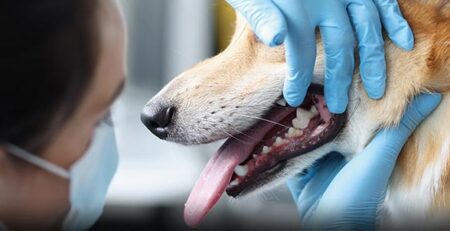
Regular veterinary visits are essential to monitor the dog’s overall health and prevent any complications.
Equally important are and vaccinations and pesticide treatments, which should be carried out according to the plan recommended by your Veterinarian.
For checkups, periodic check-ups, vaccinations, personalized feeding plans and consultations with behavioral experts, contact the veterinary doctors on our staff who are always available to you.
We would also like to remind you that Clinica La Veterinaria is always open h24 every day including holidays and with First Aid service from 8 pm to 8 am.
For the joy of seeing them HAPPY
©2026 -Text: Tiziana Genovese – Veterinary Technician