The Dogo Canario: when looks can be deceiving
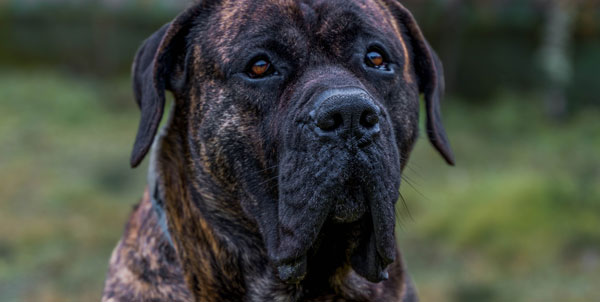
The Dogo Canario, also known as the Presa Canario, is a dog breed native to the Canary Islands, Spain.
It dates back to the 16th century, when the people of the archipelago began selecting dogs for various practical functions.
Initially used in dogfighting, over time the Dogo Canario shifted from mere fighting to livestock protection and management.
the term “Presa Canario” is often used in official circles, while “Dogo Canario” is more colloquial.
Grip dog: what it means
When we refer to a “grapple dog,” we are referring to a type of dog specifically selected for its ability to grab and hold prey, whether animal (in the context of livestock management) or intruder.
Grappling dogs, such as the Dogo Canario, possess a robust morphology and powerful teeth, enabling them to perform this task effectively.
Weight and size of the Dogo Canario
The Presa Canario is considered a large breed belonging to the molossoid dogs. This breed has distinctive physical traits, such as a broad head, strong mouth and well-developed musculature.
The weight of a Dogo Canario varies significantly by sex and individual genetics, but in general, males tend to weigh between 50 and 65 kg, while females range between 40 and 55 kg.
The size of this breed is imposing, with males reaching a height of about 64-70 cm at the withers, and females standing at 60-66 cm.
This musculature and strong structure give the Dogo Canario a powerful and proud appearance.
The character of the Dogo Canario and its socialization
The character of the Dogo Canario is a combination of strength, courage and balance.
These dogs are known for their loyalty to their owners and family, but can be reserved toward strangers.
Their protective nature makes them excellent watchdogs.
However, it is crucial to socialize them from puppyhood to ensure that they develop a balanced character and to minimize the risks of aggression, especially if they are not properly managed.
This aspect makes it necessary to have a conscious and consistent relationship with its human so that the dog can express its potential without developing problem behaviors.
It is crucial that the dog learns to distinguish between normal situations and potential threats, so socialization plays a key role in this process.
Common pathologies in the Dogo Canario
Like many dog breeds, the Dogo Canario can be prone to certain diseases.
Common diseases include joint dysplasias, particularly hip and elbow dysplasia, which can affect the dog’s mobility.
Other health issues include heart disease, hypothyroidism, and various dermatological conditions.
It is essential to ensure regular veterinary checkups and to pay attention to signs that the dog may exhibit, such as lameness or lethargy.
Proper nutrition and regular exercise can help keep the Dogo Canario healthy, preventing the onset of these diseases.
Nutrition and exercise
The feeding of the Dogo Canario requires special attention, given its size and activity level.
It is advisable to provide a balanced and nutritious diet that includes foods rich in protein, vitamins and minerals.
High-quality kibble specifically for large dogs may be an appropriate choice, but it is always a good idea to consult a veterinarian for a diet tailored to the specific needs of the animal.
In addition, it is essential to monitor calorie intake, as an excess can lead to obesity problems, which pose additional health risks.
Dividing meals into several servings throughout the day can help manage digestion better and maintain a healthy weight.
The Dogo Canario is an active dog and needs adequate exercise to keep fit and happy.
By adopting the right practices, the Dogo Canario can become an irreplaceable member of the family, able to offer affection and protection.
We would also like to remind you that Clinica La Veterinaria is always open h24 every day including holidays and with First Aid service from 8 pm to 8 am.
For the joy of seeing them HAPPY
©2026 -Text: Tiziana Genovese – Veterinary Technician