Greyhound: the English greyhound that is always on the run
The Greyhound, also known as the English greyhound, is an ancient dog breed whose origins date back more than 4,000 years.
Depictions of his ancestors can be weighed in frescoes and sculptures made by the ancient Egyptians.
It was supposedly imported to Europe between the sixth and fifth centuries B.C. by the Celts.
Greyhound and in turn the progenitor of more recent breeds including the Whippet and the Borzoi.
In medieval times, the Greyhound was highly prized among the English nobility, who used it for hunting ungulates.
In the United States, the American Kennel Club (AKC) officially recognized the breed in 1885.
In Europe, the Greyhound is recognized by the Fédération Cynologique Internationale (FCI).
The morphology of the Greyhound
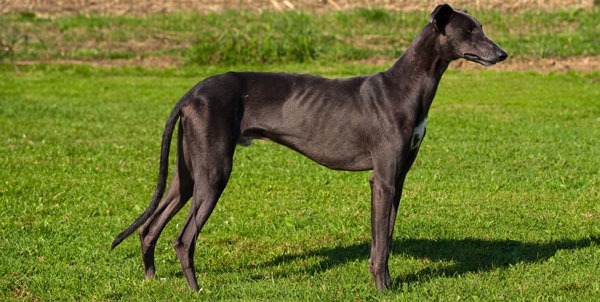
The Greyhound is a large dog, characterized by a slender and muscular build, athletic and skittish.
Its height usually varies between 68 and 76 cm at the withers, while its weight can range between 27 and 40 kg.
The head is long and tapered, with a flat skull and narrow muzzle.
The eyes, oval-shaped and usually dark, give the Greyhound an alert and intelligent expression.
The legs are long and strong, designed for running.
Slender and muscular, in fact, it reaches and exceeds 70 KM/h and is considered one of the fastest dogs in the world.
And it is precisely this characteristic of his, which is the source of the troubles of the specimens of this magnificent breed, who have always been exploited in dog racing.
The drama of dog racing
Dog racing, particularly Greyhound racing, has long been considered a popular pastime in many cultures.
However, behind the sports competitions lies a far sadder reality, characterized by harassment and mistreatment.
The selection and growth process is highly competitive, and many Greyhounds are considered “rejects” as soon as they no longer meet the standards required for racing.
As a rule, a racing dog’s career should be considered over between the fourth and sixth years of age, that is, when the dog can no longer compete or is no longer competitive.
As a result, Greyhounds are abandoned or killed when they are no longer able to compete, feeding an abusive culture that ignores the needs and welfare of animals.
In addition to poor living conditions, intensive training, and doping, Greyhounds often manifest orthopedic, cardiac, and behavioral problems.
Greyhounds are the only dog breed bred with one purpose from birth: to run for human entertainment and betting.
Over the years, various animal welfare organizations have tried to raise awareness about Greyhound rights and their welfare.
Unfortunately, even today, greyhound racing in some countries of the world is allowed; in Italy this kind of activity is illegal.
The temperament of the Greyhound
The Greyhound is known for its calm and affectionate temperament.
It is a dog that loves human company and can be very affectionate with family members, including children.
However, it is also known for its reserved nature and can be shy with strangers.
In addition, they tend to be reserved with other animals, so proper and progressive inclusion is essential.
The health of Greyhounds
The Greyhound is generally considered a healthy and hardy breed, but like all dog breeds, it can be prone to certain diseases.
One of the distinguishing aspects of Greyhound health is its susceptibility to muscular and skeletal injuries.
In addition, the Greyhound is predisposed to develop certain inherited diseases, such as hip dysplasia, which can affect the animal’s mobility and quality of life.
Another common condition in Greyhound is stomach torsion, a life-threatening condition that requires immediate surgery.
To keep the Greyhound healthy, it is essential to provide an adequate exercise and dietary regimen.
Nutrition
Greyhound feeding must be carefully planned to meet the specific nutritional needs of this breed.
Because of their high muscle mass and fast metabolism, Greyhounds require a diet rich in protein and nutrients.
A balanced diet helps maintain their energy during intense physical activity and support overall health.
It is advisable to choose high-quality foods, preferably formulated specifically for sporting or high-activity breeds.
It is important to pay attention to portions, as Greyhounds tend to gain weight if not exercised properly.
To have your Greyhound checked, for advice on feeding and management, vaccines and regular check-ups, contact the veterinary doctors on our staff who are always available to you.
We would also like to remind you that Clinica La Veterinaria is always open h24 every day including holidays and with First Aid service from 8 pm to 8 am.