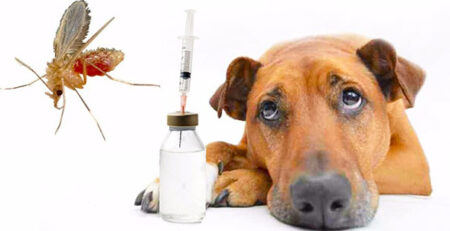
Wasp or bee sting on dogs and cats: can develop into serious situations in some cases
Wasp or bee stings are a common risk for dogs and cats, especially during the summer months when these insects are most active.
Although most reactions are mild and transient, in some cases they can evolve into severe situations and lead to severe allergic reactions such as anaphylaxis, requiring prompt intervention.
What triggers the reaction to wasp or bee sting
The reaction to a wasp or bee sting in dogs and cats results primarily from the injection of venom through the sting of the insect.
Bees, belonging to the order Hymenoptera, possess a hooked stinger that remains anchored and detaches from the venom sac during the sting, causing the insect itself to die.
In contrast, wasps have a smooth stinger that allows them to sting repeatedly without lethal consequences.
The venom contains a complex mixture of components that provoke a local immune response.
In mammals, including dogs and cats, the reaction begins as a local inflammatory response.
The venom stimulates the release of histamine, serotonin and other chemical mediators from mast cells and basophils.
This leads to vasodilation, increased vascular permeability and leukocyte recruitment, generating swelling, redness and pain.
In some cases, a systemic allergic reaction(anaphylaxis) develops, triggered by specific IgE antibodies against venom components.
In addition, the location of the puncture affects the severity.
Areas such as the mouth, throat or joints can cause more intense obstruction or inflammation due to limited space, increasing pain and swelling.
It is important to note that cats, with their curious and hunting nature, are particularly exposed when exploring nests or flowers.
The obvious symptoms of wasp and bee stings
Symptoms of a wasp or bee sting range from mild to severe, manifesting within minutes or hours of the event.
When bees or wasps sting, the severity depends on the amount of venom inoculated, the number of multiple stings (e.g., from a swarm attack), and individual sensitivity.
The most obvious local signs include marked swelling (edema) at the puncture site, skin redness, local heat, and intense itching, causing the dog or cat to scratch or lick the area insistently.
In dogs, it is common to observe lameness if the bite hits a paw, while in cats, hypersensitivity to touch is often noted.
The dog may appear anxious or panting, while the cat may assume stiff postures.
Mild systemic symptoms include lethargy, excessive salivation, vomiting or mild diarrhea.
In moderate cases, symptoms may include agitation, difficulty breathing (tachypnea), pale or cyanotic gums, and hypotension.
What to do if your dog or cat is stung by a wasp or bee
First, gently remove the stinger if present (typical of bees) using tweezers but being careful not to squeeze to further prevent the spread of venom.
Apply a cold pack (ice wrapped in a cloth) for 10-15 minutes at a time: the local vasoconstriction induced by the ice reduces swelling and pain.
Monitoring the animal in the first 24-48 hours afterwards is crucial, as delayed reactions may emerge.
In case of multiple stings or in critical areas such as the mouth that could cause asphyxiation, it is critical that you contact your trusted veterinarian immediately and avoid leaving the animal alone.
What not to do if your dog or cat gets stung by bees or wasps
Taking timely action is important, but avoiding actions that could make the situation worse is equally relevant:
– Do not attempt to suck the venom from the sting, an ineffective and risky practice that can introduce bacteria or infected saliva
– Do not apply oily ointments or home remedies such as baking soda or vinegar without veterinary advice, as they may further irritate the skin or mask symptoms
– Do not give human medications such as ibuprofen or acetaminophen, as they are toxic to dogs and cats
– Avoid leaving the animal alone after a multiple puncture and do not immerse it in cold water without supervision to prevent heat shock
Prevention: calm and cool blood
If you and your dog find in the presence of wasps or bees, keep calm and try to move away slowly without any sudden movements.
Attempting to chase the wasps away, could, on the contrary provoke an attack.
Avoid fidgeting or shouting, as the noise can further attract insects.
If possible, seek shelter for you and your four-legged friend in an enclosed place until wasps or bees move away.
If your dog or cat has been stung by a wasp or bee, contact the veterinary doctors on our staff who are always available to you for a checkup right away.
We would also like to remind you that Clinica La Veterinaria is always open h24 every day including holidays and with First Aid service from 8 pm to 8 am.