Table of Contents
Obstructive brachycephalic syndrome (BAOS) affecting dogs and cats with flattened snouts
Brachycephalic syndrome, also known as BAOS (Brachycephalic Obstructive Airway Syndrome), is a clinical condition that mainly affects dog and cat breeds with flattened snouts.
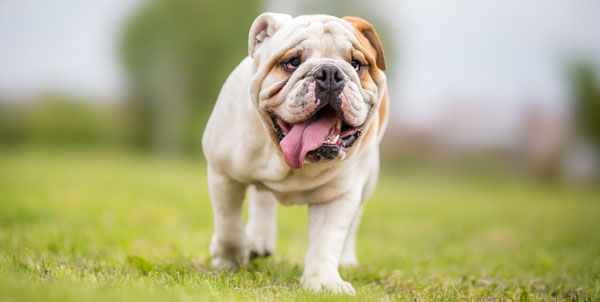
This obstruction is the result of a series of anatomical abnormalities that occur in brachycephalic individuals, that is, those dogs and cats characterized by a short skull and a flattened face.
The drama of selection: the health problems of brachycephalic breeds
The most common abnormalities include:
- Stenotic nostrils (nasal openings that are too narrow)
- elongated soft palate
- Hypoplastic trachea (reduced size of the trachea)
- hypertrophic laryngeal sacs
These malformations alter normal breathing, causing difficulty in airflow and resulting in increased respiratory effort.
What are the breeds of brachycephalic cats and dogs
In the context of brachycephalic syndrome, several canine and feline breeds have predispositions to develop this condition.
Among dog breeds:
- Pug
- English Bulldog
- French Bulldog
- Chihuahua
- Shih Tzu
- Pekingese
Among feline breeds:
- Persian
- Exotic Shorthair
- Himalayan
All of these breeds and others like them can exhibit a range of symptoms from mild to severe, depending on the severity of the anatomical abnormalities.
What are the symptoms of BAOS in dogs and cats
The symptoms of BAOS can vary widely and may become more prominent during physical activities or stress.
The following symptoms are among the most common:
– Respiratory difficulty: may manifest with rapid or shallow breathing. Animals may appear labored even during light activities
– Snoring: many dogs and cats with BAOS snore during sleep, a sign that the airway is obstructed
– Cyanosis: blue discoloration of the mucous membranes is an alarming signal indicating a lack of oxygen
– Cough: due to inflammation of the respiratory tract
– Exercise intolerance: affected animals may show a rapid decrease in physical endurance and reluctance to engage in physical activities
– Poor heat tolerance: brachycephalic dogs and cats are unable to regulate body temperature effectively, making them more susceptible to heat stress
– Overexcitability: due to breathing difficulties, dogs may appear anxious or overexcited when in stressful situations
– Collapse: in situations of stress or fatigue, dogs and cats may collapse due to the inability to breathe properly
Understanding the signs and symptoms associated with this condition is critical to ensure early diagnosis and appropriate treatment
Diagnosis and surgical treatment of BAOS
Diagnosis of brachycephalic syndrome is usually made by physical examination and in some cases, by deeper investigations such as laryngoscopy.
Surgical treatment can range from minor operations, such as soft palate resection, to more complex procedures, such as surgery to correct stenotic nostrils, which aims to improve airflow and relieve respiratory symptoms.
Conservative therapies for brachycephalus
Conservative therapies can be helpful in the management of brachycephalic syndrome.
Some approaches include using anti-inflammatory drugs to reduce airway inflammation and adopting a controlled exercise program to improve endurance without overloading the respiratory system.
Management of respiratory problems and regular veterinary checks
For dogs and cats with brachycephalic syndrome, it is critical to adopt management strategies to improve their quality of life.
This may include environmental changes, such as avoiding extreme temperatures and stress, and monitoring physical activity to prevent fatigue.
Regular veterinary checks are essential to monitor the health of brachycephalic animals and to intervene promptly in case of respiratory issues.
It is crucial to carefully monitor the respiratory health of brachycephalics, paying attention to signs of respiratory distress such as snoring or wheezing.
If your dog or cat is a brachycephalic, for periodic check-ups and consultations, contact our Staff Veterinary Doctors who are always available to you.
We would also like to remind you that Clinica La Veterinaria is always open h24 every day including holidays and with First Aid service from 8 pm to 8 am.