Cats knead with their paws: have you ever wondered why?
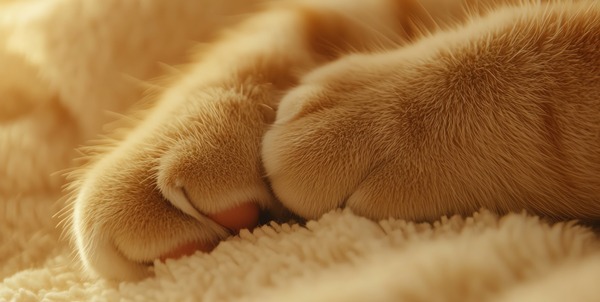
Cats knead when they rhythmically flex their front paws, moving them back and forth in turn and pressing their toes and paw pads against soft surfaces—such as blankets, pillows, soft surfaces, and stuffed animals.
But cats also lovingly knead their humans’ bellies, legs, or chests.
In addition, they may rub against other cats or even dogs they live with.
In short, everyone deserves a chance to knead dough.
If you’ve always wondered why cats knead, you should know that kneading is an instinctive behavior passed down to our domestic cats from their wild ancestors.
Making Pasta: An Ancestral Tradition
Kittens knead as early as infancy: it’s an instinctive behavior that causes them to press their paws against their mother’s abdomen to stimulate the flow of milk they feed on.
In fact, however, cats continue to knead even as adults: it is likely that kneading serves different purposes for cats depending on their life stage,environment, and context.
Purring and Emotional Bonding: From Mother Cat to Human
One thing seems certain: when adult cats knead, they look blissful, happy, satisfied, and content—probably because it reminds them of the sense of well-being and fulfillment they experienced while nursing.
And so, the deep bond between newborn kittens and their mother is renewed and transformed into another kind of family bond: the one that forms between a cat and its human.
Adult cats that knead their humans are actually expressing their affection and attachment toward them and “marking” them.
Scent glands on the paws, pheromones, and marking
Stammering may also be related to territorial marking.
Feline pheromones are odorous substances secreted by certain glands located in different parts of the cat’s body: on the cat’s chin, cheeks, lips and paws but are also found in its urine and feces.
These specific olfactory signals are released into the water, the air, the soil, on objects, and on us humans.
They contain messages and communications that all cats use to interact with each other and with the world around them.
By doing so, the cat marks and classifies people and objects as safe or familiar.
This indicates that the cat feels comfortable, considers places and things pertaining to them familiar and not at all threatening.
In short, he is communicating to you that you belong to him, that he is happy and relaxed and feels fulfilled and safe in his environment.
Cats also knead to relieve stress
For a cat, kneading can serve as a form of self-soothing therapy to calm down when it is stressed or anxious.
This is demonstrated by the fact that cats, in addition to kneading, also purrs.
Purring is a kind of autogenic training that helps cats relax.
Since this is an innate behavior, a cat kneading should not be a cause for concern unless it is accompanied by abnormal, unusual, or overtly aggressive reactions.
In these cases, always consult your trusted veterinarian to make sure your cat isn’t suffering from a condition that requires specific care or treatment.
To refer your cat for a checkup, contact the veterinary doctors on our staff who are always available to you.
We would also like to remind you that Clinica La Veterinaria is always open h24 every day including holidays and with First Aid service from 8 pm to 8 am.