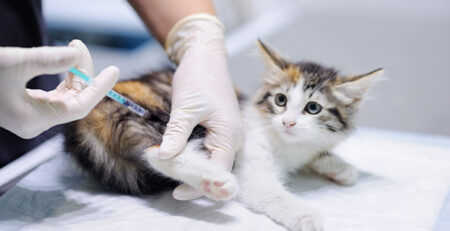
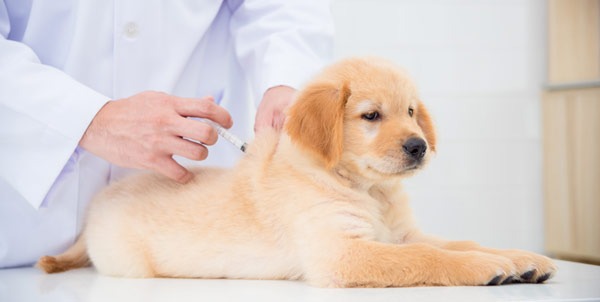
Dog vaccination: without vaccines, puppies remain vulnerable to life-threatening diseases
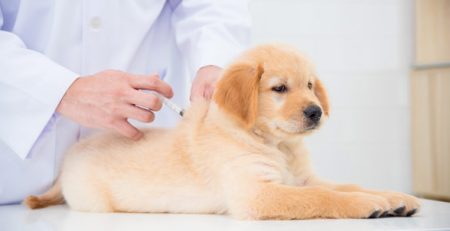
Early vaccination is crucial to protect puppies because during the first few days of life they receive maternal antibodies through colostrum, but these antibodies gradually decline.
Types of vaccines needed for puppies: the WSAVA Guidelines
Vaccines for dogs generally fall into two categories: core (essential) vaccines and non-core (optional) vaccines.
The Vaccination Guidelines Group (VGG) of the WSAVA recommends starting the core vaccination cycle of puppies at 6-8 weeks of age, then every 2-4 weeks until 16 weeks of age or older, for a total of 3 phases.
Cores protect dogs from diseases caused by distemper virus (CDV), infectious hepatitis virus (CAV) and canine parvovirus type 2 (CPV-2).
1.Parvovirosis: a highly contagious disease that affects the gastrointestinal system. It is especially dangerous for puppies, as it can lead to severe dehydration and death.
2. Distemper: viral disease affecting the respiratory and neurological systems, with high mortality.
3. Canine infectious hepatitis: caused by the hepatitis virus, this disease can cause damage to the liver and internal organs.
After this period, it is essential to follow an annual or three-year booster program, depending on the type of vaccine: booster shots are essential to maintain immunity.
Non-core vaccines
Non-core vaccines include those against kennel cough virus, and canine coronavirus, which are useful depending on the dog’s environment and living habits.
A separate discussion should be made for the rabies vaccine: it is a no core vaccine however, it is required by law in some countries where there are outbreaks.
It is also appropriate to vaccinate adult dogs
For adult dogs, once the initial vaccination cycle is completed, it is essential to continue receiving periodic booster shots.
These reminders serve to keep the immune system active and ensure continued protection against disease.
Always refer to your trusted veterinarian to determine the correct methods and timing to ensure optimal protection and proper immunization.
If immunization occurs correctly, the dog cannot contract the virus.
Be careful, then: there is a high chance that the vaccine will not be effective and the dog will still get sick if:
– has been stored in an inappropriate environment
– where it has been inoculated without having wormed the dog
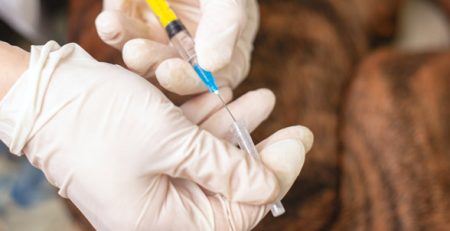
– when injected by NON-MEDICAL personnel who do not follow official protocols
A complementary aspect to vaccination is deworming
Before even starting the vaccination cycle, it is critical to ensure that the puppy is free of intestinal parasites.
Worm infestation can severely compromise a dog’s immune system, making it more susceptible to infectious diseases.
Deworming is a process that involves the administration of antiparasitic drugs to eliminate intestinal worms.
It is recommended from two weeks of puppy life, with subsequent treatments at regular intervals.
Even for adult dogs, it is important to perform periodic checks to ensure that they are not infested with parasites
Only Veterinarians can vaccinate
A basic principle of dog vaccination is that only veterinarians should administer vaccines.
This is because vaccination is not simply an automatic procedure; it requires specific skills in dose management, assessment of the animal’s health, and identification of any adverse reactions.
In addition, only a veterinarian can provide advice tailored to the individual animal’s health needs, taking into account factors such as age, breed, previous health, and lifestyle.
In some cases, the administration of vaccines by unskilled personnel may not only be ineffective but even harmful.
To have a fecal check, deworming and to vaccinate your dog, contact the veterinary doctors on our staff who are always available to you.
We would also like to remind you that Clinica La Veterinaria is always open h24 every day including holidays and with First Aid service from 8 pm to 8 am.