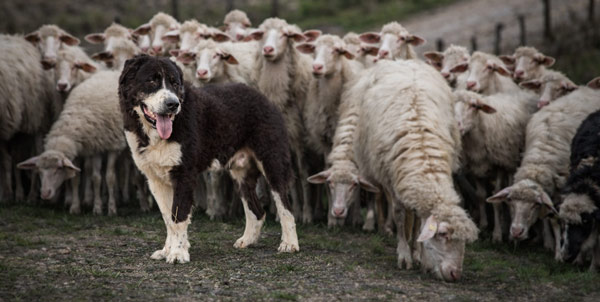
The Sicilian mastiff aka Mannara’s dog
The Sicilian Mastiff or Mannara dog is a dog breed of great prestige and historical significance, particularly prized in Sicily.
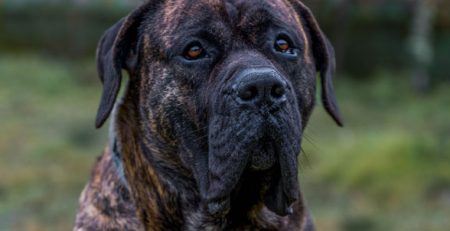
The Mannara dog is a large dog belonging to the molossoid group, characterized by an imposing build and developed musculature.
Origins and history of the Mannara dog
The origins of the Mannara dog are shrouded in mystery, but it is believed that this breed derives from a cross between ancient mastiffs introduced to Sicily by the Phoenicians and the Romans.
The word“Mannara” translates to“sheepfold” in Sicilian, a term that reflects the historical importance of these dogs in the pastoral life of the island.
The Sicilian mastiff has been used for centuries as a working dog on farms, especially for the protection of livestock that it defended against predation by foxes.
For this reason the ears were amputated very short, a practice that today along with tail cutting, is considered mutilation and whose violation constitutes a criminal offense.
These dogs possessed a natural instinct to protect their territory and family, making them indispensable to Sicilian farmers, a symbol of strength and loyalty.
Over the years, the breed has risked extinction however, in recent decades, there has been a rediscovery of interest in the breed, leading to organized conservation efforts and increasing recognition by dog associations.
The recognition of race
In 2004, theEnte Nazionale della Cinofilia Italiana(ENCI) officially recognized the breed, giving it status as a typical Italian breed.
In contrast, recognition at the international level by the Fédération Cynologique Internationale(FCI) is still being developed.
Officialization of the breed made it possible to establish breeding standards and promote the genetic quality of specimens.
Morphology of the Mannara dog
The Mannara dog is large in size and has a robust and stocky morphology.
Male specimens reach a height of about 65-75 cm at withers, while females are around 60-70 cm.
The weight generally ranges from 40 to 60 kg.
The head is large and strong, with a broad skull and a strong jaw.
The eyes are dark and express lively intelligence and an ever watchful and protective attitude.
The coat is short and dense, usually tawny, black or tiger-colored, with waves or curls.
The character of the Sicilian Shepherd
Mannara’s dog is known for its strong character and protective nature.
He is a loyal and affectionate dog with his pack and human family, but can be reserved and wary of strangers and anything he perceives as potential threats.
Its mistrust never translates into gratuitous aggression; however, it requires a cautious and deliberate approach.
Socialization from puppyhood onward is essential to develop him into a balanced adult, capable of effectively playing the role of guard dog, herding dog or companion dog, while maintaining a guarding but not aggressive behavior.
His ideal human companion is anyone who leads an active life and has adequate space to provide him with room and freedom of movement.
Pathologies of the Sicilian Mastiff
Molossoid dogs, such as Mannara’s dog, can be predisposed to various diseases.
First, hip dysplasia, a common genetic condition in large dogs in which the hip joint does not develop properly, causing pain and difficulty in movement.
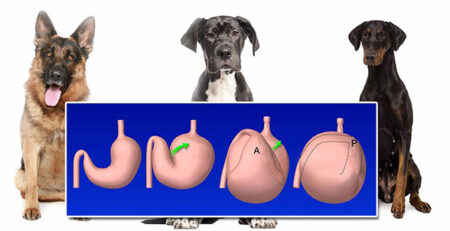
Also, stomach torsion, a medical emergency requiring immediate surgery.
To prevent the onset of these diseases, it is essential to adopt a balanced diet, have regular checkups and ensure adequate physical activity.
Prevention is key to keeping the Sicilian Mastiff healthy.
A balanced diet, regular exercise and annual veterinary visits can help prevent many diseases.
In addition, it is important to vaccinate the dog and administer anti-parasite treatments to protect its overall health.
To have your Mannara dog checked for vaccines and periodic check-ups, contact the veterinary doctors on our staff who are always available to you.
We would also like to remind you that Clinica La Veterinaria is always open h24 every day including holidays and with First Aid service from 8 pm to 8 am.