Shiba Inu: the Japanese dog declared a “natural monument”
The Shiba Inu is one of the oldest dog breeds in Japan, dating back more than 6,000 years.
Originally bred for hunting small animals such as birds and rodents, its name literally means“small dog” (shiba = small; inu = dog) but according to interpretations, it can also mean bush dog.
The breed comes mainly from the Japanese mountains, where it was used by hunters for its agility and ability to adapt to different environments.
The recognition of race
The contemporary Shiba finds its origins from the reunification of several ancient
breeds that originated in different regions and differed in size, color and morphology.
These races(Sani’In, Mino, Shinku, Imba, Sekishu) were grouped under the name Shiba.
The standard was finally unified in 1934, and in 1937, the Japanese government declared the Shiba Inu a “natural monument,” recognizing its cultural and historical importance.
After World War II, the Shiba Inu like other dog breeds also risked extinction but uncontrolled crossbreeding with other dogs also greatly affected.
However, beginning in 1948 Japanese breeders identified surviving specimens to save the breed, helping to establish the official standard.
The American Kennel Club (AKC) officially recognized the breed in 1992.
Shiba Inu dogs and their distinctive appearance
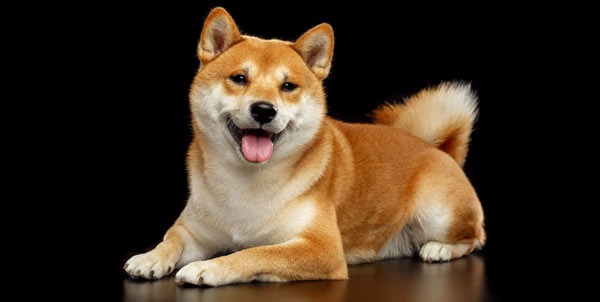
Shiba Inu are small dogs characterized by a compact and muscular body, which gives them an air of toughness and agility.
The eyes are triangular in shape and dark in color, while the nose is black.
Their tails are curled on their backs, another distinctive feature of the breed.
The size of an adult Shiba Inu generally ranges from 35 to 43 cm at withers, with a weight that can range from 8 to 12 kg.
The coat is composed of two layers: an outer, dense and rough layer and an inner, soft and insulating layer.
Common colorations include red, sesame (red with black tips), black and fiery, and cream.
In addition to its appearance, the Shiba Inu has gained notoriety for its distinctive “grunt,” a unique sound it makes when happy or excited.
The character of the Shiba Inu
Known for their independent nature and strong sense of freedom, these dogs are often referred to as “small guard dogs” due to their alert and watchful nature.
The breed has a balanced temperament and tends to be reserved with strangers.
Although they may seem aloof and non-expansive, Shiba Inu develop strong bonds with their family members, especially children.
We always remember that teaching young children respect for the dog is crucial to building a harmonious and respectful relationship.
Vigilant, protective, and never intrusive, the Shiba adapts well to life in the home but if left alone for much of the day tends to get sad and become particularly independent and aloof.
Pathologies to pay attention to
One of the most common conditions is hip dysplasia, a joint deformity that can cause pain and motor difficulties.
It is important to have your dog checked regularly by your veterinarian, especially during the first few years of life, to monitor joint development.
Other health issues include luxating patella, a condition in which the kneecap is displaced from its proper position, and eye diseases such as glaucoma and cataracts, which can affect a dog’s vision.
In addition, Shiba Inu may be prone to skin allergies and dermatological problems.
Finally, it is crucial to pay attention to Shiba Inu’s diet and exercise, as they tend to gain weight if not monitored properly.
A balanced diet and regular physical activities will help keep the dog healthy and in excellent shape.
To refer your Shiba Inu for periodic check-ups, vaccines and consultations, contact the veterinary doctors on our staff who are always available to you.
We would also like to remind you that Clinica La Veterinaria is always open h24 every day including holidays and with First Aid service from 8 pm to 8 am.