From urban development to poaching: all the threats facing the lynx
Lynx Day was established through the joint efforts of biologists, environmentalists, and nature conservation organizations, who recognized the urgent need to protect these endangered felines.
The date was chosen to commemorate the launch of one of the most significant conservation projects for the Iberian lynx (Lynx pardinus), one of the world’s rarest and most endangered species.
Let’s learn more about lynxes
Lynxes belong to the genus Lynx, which includes four main species:
- the bobcat (Lynx canadensis)
- theEurasian lynx (Lynx lynx)
- the bobcat (Lynx rufus)
- the Iberian lynx (Lynx pardinus)
These species are found in various regions of the world, from the boreal forests of North America to the vast steppes and mountains of Eurasia.
They are solitary carnivores, known for their agility and hunting skills; they are primarily crepuscular, meaning they are most active during the hours between sunset and sunrise.
They prey on a variety of animals, including deer, hares, rodents, and birds.
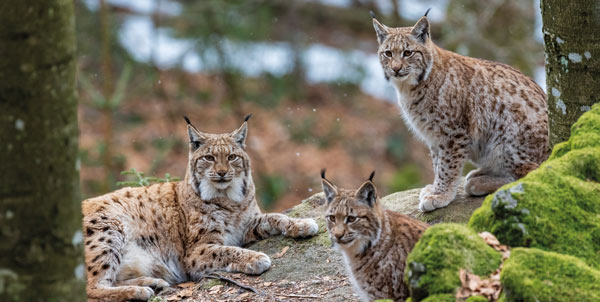
One of their most distinctive features is their short tail, the tufts of hair on their ears, and a spotted coat that provides perfect camouflage in their natural habitat.
An interesting fact about the Iberian lynx is that it has a highly specialized diet, consisting mainly of wild rabbits.
This dietary specialization has made the species particularly vulnerable to environmental changes that affect the availability of prey.
The survival of lynx is threatened by a number of interrelated factors
The main factor among these is habitat loss.
Deforestation, urbanization, and agricultural activities have significantly reduced the forested areas and grasslands where lynx live and hunt.
Habitat fragmentation also leads to a decline in prey populations, making it harder for lynx to find food.
Another serious threat to lynx is poaching
Despite laws protecting lynxes, these animals are still hunted illegally for their fur and out of fear that they might attack livestock.
Road traffic also poses a significant danger, especially in Europe, where many lynxes are struck by vehicles every year.
In addition, climate change is altering natural ecosystems, changing the distribution of prey and the plant species that make up their habitats.
Even diseases transmitted by domestic and wild animals have a significant impact on lynx populations.
Finally, genetic inbreeding in isolated populations reduces genetic diversity, making lynxes more susceptible to disease and less able to adapt to environmental changes.
Efforts to save the lynx
In recent decades, significant conservation efforts have been made to save lynx from extinction.
These include captive breeding programs, reintroduction into the wild, and the protection of their habitats.
One of the most notable examples is the Iberian lynx conservation program in Spain and Portugal, which has led to a significant increase in the population thanks to the creation of nature reserves and efforts to combat poaching.
In addition to local and regional efforts, international cooperation: conservation organizations work together with governments and local communities to develop sustainable strategies and share best practices for wildlife conservation.
For your dog or cat’s day-to-day care, our team of veterinarians is always available to provide vaccinations, consultations, and regular checkups: please contact us to schedule an appointment whenever needed.
We would also like to remind you that Clinica La Veterinaria is always open h24 every day including holidays and with First Aid service from 8 pm to 8 am.
For the joy of seeing them HAPPY
©2026 -Text and image: Tiziana Genovese – Veterinary Technician
All rights reserved.