Oral Hygiene for Dogs and Cats: Best Practices Starting from Puppyhood
Oral hygiene for dogs and cats is an aspect that is often overlooked, yet it is crucial to their overall well-being.
Proper oral care can prevent numerous problems, not only affecting the teeth and gums, but also affecting the entire body.
The Importance of Oral Hygiene for Dogs and Cats
The consequences of poor hygiene can be serious.
Plaque and tartar that build up on the teeth contribute to the development of gum diseases such as gingivitis and periodontitis.
These conditions can cause pain, bad breath, and tooth loss, impairing the animal’s ability to eat properly.
In addition, chronic inflammation of the gums and the presence of bacteria in the mouth can spread through the bloodstream and affect vital organs such as the heart, lungs, and kidneys, causing very serious systemic complications.
For this reason, taking care of dogs’ and cats’ oral hygiene is not just a matter of appearance or comfort, but an essential part of ensuring they live long, healthy lives.
Preventing dental problems in dogs starts with proper daily oral hygiene and regular checkups at the vet, which can help identify early signs of problems.
The Most Effective Ways to Maintain Oral Hygiene in Dogs and Cats
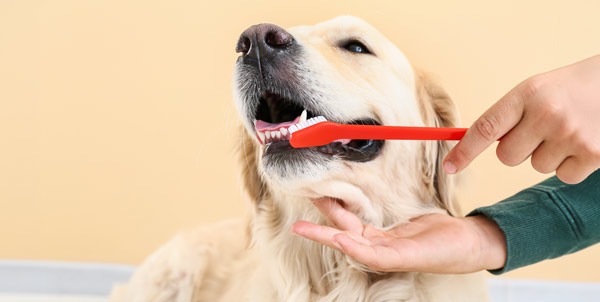
Regularly brushing your dog’s teeth with products specifically designed for pets, such as finger toothbrushes and specially formulated toothpastes, helps remove plaque and food debris before they turn into tartar.
In addition to toothbrushes, there are also dental gels and sprays that help reduce plaque buildup and bad breath.
These can be used in addition to mechanical cleaning or when mechanical cleaning is difficult to perform on a regular basis.
Another effective approach is to use dental foods and snacks designed to promote mechanical cleaning of the teeth through chewing, thereby reducing the buildup of plaque and tartar.
However, these products do not replace manual cleaning; rather, they complement it.
Alternative Methods for Dogs and Cats That Dislike Toothbrushing
Not all animals tolerate brushing or oral hygiene procedures easily.
In this case, it is possible to use alternative methods, such as enzymatic or antibacterial products applied directly in the mouth, which provide benefits without the need for intensive mechanical cleaning.
The use of toys and chew toys specifically designed to encourage chewing and help clean teeth can be helpful, although their effectiveness may vary from person to person.
Unfortunately, once tartar has formed, simply cleaning your teeth at home isn’t enough.
In these cases, you should take your pet to the veterinarian for a dental cleaning.
What Is Detartrasis?
This is a procedure performed by a veterinarian that involves the removal of tartar using ultrasonic instruments under sedation or light anesthesia.
Scaling helps restore gum health and prevent further infections.
Typically, a comprehensive examination is performed to assess any underlying dental problems and determine the most appropriate treatment plan.
After tartar removal, it is essential to follow a home care regimen to prevent tartar from quickly building up again.
Practical Tips for Ensuring Proper Oral Hygiene for Your Dog or Cat
It’s best to start establishing a dental care routine early, around 8–12 weeks of age.
Cleaning procedures require calm, patience, and care at the beginning.
Toothpaste meant for humans can be toxic to dogs and cats, so always use only products specifically designed for pets.
Be on the lookout for signs of oral health problems, such as persistent bad breath, red or bleeding gums, difficulty eating, or excessive salivation.
If you notice even just one of these symptoms in your dog or cat, contact the veterinarians on our staff and request a consultation.
We would also like to remind you that Clinica La Veterinaria is always open h24 every day including holidays and with First Aid service from 8 pm to 8 am.