World Monkey Day: the living thing most similar to humans
The monkey is the only animal whose DNA matches that of humans in between 97 and 99 percent.
Among the different species of apes, those with the greatest genetic similarities to humans are mainly the anthropoid apes:
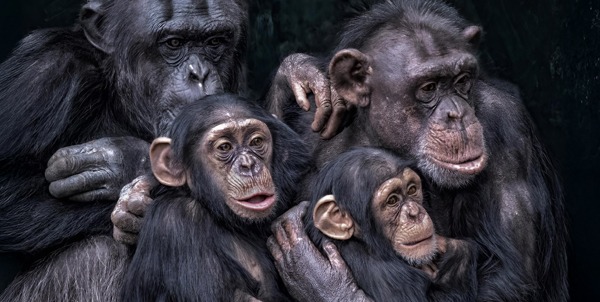
– The chimpanzee(Pan troglodytes): chimpanzees are our closest relatives in the animal kingdom, matching about 98-99% of their DNA. This high percentage of similarity is reflected not only in genetics but also in behavioral and social aspects.
– The Bonobo (Pan paniscus): often considered the “cousins” of chimpanzees, bonobos also share a similar percentage of DNA as humans, ranging from 98 percent to 99 percent. These apes are known for their matriarchal social structure and highly developed social interactions.
– The Gorilla(Gorilla spp.): gorillas show about 98 percent genetic similarity to humans. Although slightly lower than that of chimpanzees and bonobos, their DNA reveals many common evolutionary characteristics.
– L’Orangutan(Pongo spp.): orangutans, although more distant than chimpanzees and gorillas, also have a genetic similarity to humans of around 97 percent. Their solitary lives and strong maternal bonds offer further insights into behavioral differences.
Genetic linkage and evolutionary history
The genetic link between apes and humans offers a unique window into our evolutionary history.
Yet, apes face numerous dangers that threaten their survival.
Deforestation is a major problem as logging for agriculture and urban expansion drastically reduces their natural habitat.
In addition, illegal wildlife trafficking, along with hunting and trapping for the pet trade, has led to an alarming decline in ape populations in many areas of the world, with some species at risk of extinction.
And again, diseases transmissible by humans, such as Ebola virus and other zoonoses, pose another serious risk to these primates.
Preservation of primates
Monkey Day was established to emphasize the importance of protecting not only the monkeys themselves, but also the ecosystems in which they live.
The idea of dedicating a day to these creatures came from several conservation experts and environmental organizations, with the intent of educating ile people about the efforts needed to save these species.
Protecting apes is critical not only for their survival, but also for the health of the ecosystems in which they live.
Monkeys play a key role in seed dispersal and regulation of insect and plant populations, making them vital for maintaining ecological balance.
World monkey occurrence zones and ecosystems
Monkeys are distributed in different geographical areas, including Africa, Asia and the Americas.
Each species occupies a specific ecosystem that contributes to local biodiversity.
For example, monkeys in the genus Atelidae, such as spider monkeys, are critical for seed dispersal, while baboons, which live in drier habitats, help maintain the balance of insect and plant populations.
Their presence is an indicator of the health of the ecosystem in which they live.
Conservation projects of conservation organizations
Non-governmental organizations and local governments are implementing conservation projects and educational programs to raise community awareness of the importance of biodiversity.
Various organizations, such as the World Wildlife Fund(WWF) and Conservation International, are actively working to protect threatened species.
This is done through research projects, awareness campaigns and the creation of protected areas.
Nature reserves and national parks are essential to preserve ape habitats, allowing these creatures to live in a protected environment.
In addition, it is crucial to promote responsible tourism that values wildlife and contributes financially to conservation efforts.
This not only supports the local economy, but also helps protect the monkeys’ natural habitats.
And if we save the monkeys, we save ourselves.
For your dog or cat, however, whether it is one for a checkup, vaccines and periodic check-ups, contact the veterinary doctors on our staff who are always available to you.
We would also like to remind you that Clinica La Veterinaria is always open h24 every day including holidays and with First Aid service from 8 pm to 8 am.
For the joy of seeing them HAPPY
©2025 -Text: Tiziana Genovese – Veterinary Technician